

Honda and Nissan Forge a New Path Through Software Collaboration
Honda and Nissan software collaboration is set to reshape the future of both automakers, focusing on advanced operating systems and shared technology. After previous merger discussions fell through nearly two years ago, Honda and Nissan have pivoted to a cooperative approach, prioritizing the development of software and electronic components for their next generation of vehicles.
The Shift from Merger Talks to Strategic Partnership
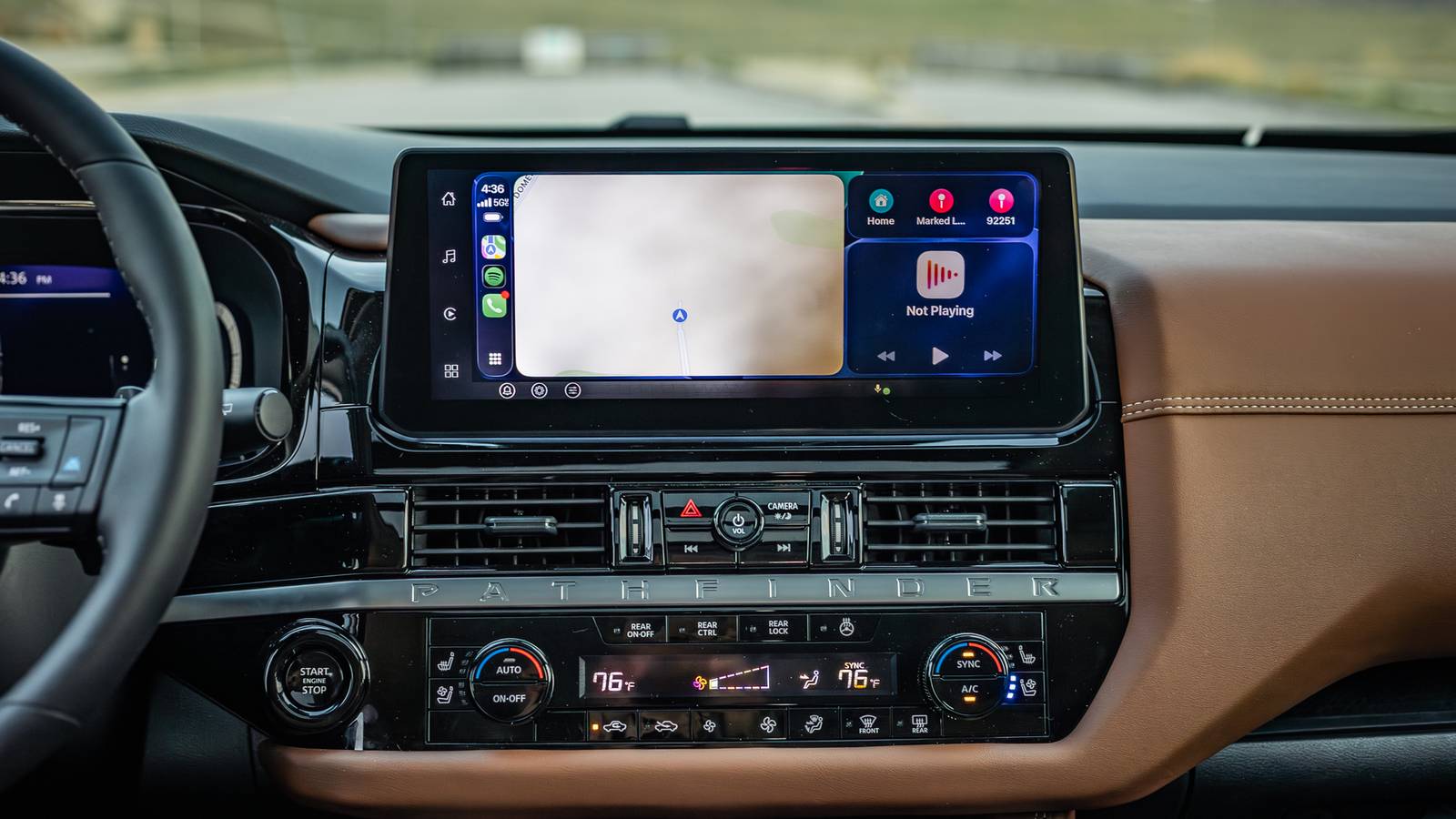
Originally, Honda and Nissan considered a full merger, but negotiations stalled without a deal. Instead of parting ways entirely, the companies agreed to explore joint projects. Recent reports from Japanese news outlet Jiji indicate that the most significant area of cooperation is software—specifically, operating systems that will underpin their vehicles’ infotainment and control systems. Automotive News has corroborated these reports, revealing that Nissan’s software will serve as the foundation for the new shared platform.
This Honda and Nissan software collaboration marks a strategic move, allowing both companies to leverage each other’s strengths in developing digital solutions for increasingly complex automotive technologies. While no official announcement date has been set, industry insiders suggest that the partnership’s results could be showcased soon.
Unified Infotainment and Shared ECUs
Honda’s CEO recently confirmed that the two automakers are working together and plan to unveil the fruits of their labor in the near future. Although he stopped short of mentioning software directly, he did highlight the development of shared electronic control units (ECUs), hinting at a broader integration of hardware and software technologies. This collaboration could lead to Honda and Nissan vehicles featuring similar infotainment experiences, streamlining development and potentially reducing costs.
There is also speculation that Mitsubishi, already a partner with Nissan, may take advantage of the co-developed technologies. This could further expand the reach and impact of the Honda and Nissan software collaboration, enabling more efficient, scalable solutions across multiple automotive brands.
Timeline and Future Vehicle Integration
The shared hardware and software systems are expected to debut as early as 2029. This timeline suggests that the next-generation Honda Accord, anticipated for a full redesign by 2030, could be one of the first models to incorporate the new collaborative systems. Such advancements will not only modernize vehicle interfaces but also lay the groundwork for future technologies, such as enhanced connectivity and advanced driver-assistance features.
Beyond Software: Electrification and Battery Technology
The partnership between Honda and Nissan extends beyond software into electrified vehicle development and battery technology. The automakers have disclosed plans to jointly develop and share advanced battery solutions, with the first applications likely to arrive after 2028. This move is critical as the global automotive industry accelerates towards electrification, demanding more efficient and cost-effective battery systems.
By pooling resources in these key areas, Honda and Nissan aim to remain competitive in an era defined by rapid technological innovation and shifting consumer expectations.
Addressing Internal Challenges
Both automakers face significant internal and market challenges. At the time of the initial merger talks, Honda appeared to be in a stronger financial position compared to Nissan, which was dealing with rising costs and declining sales. However, recent developments have revealed vulnerabilities at Honda as well. The company recently canceled its electric vehicle (EV) program due to overwhelming costs, culminating in its first financial loss in history.
With both Honda and Nissan confronting financial pressures and the high costs of new technology, their collaboration is a pragmatic solution. By focusing on areas like software and battery development—fields that customers may not directly notice—they can save money and allocate resources towards differentiating their products in ways that matter to consumers.
The Strategic Value of Collaboration
While a merger might have delivered even greater cost savings and unified product strategies, the current arrangement offers flexibility. The Honda and Nissan software collaboration allows both companies to address their unique challenges while benefiting from shared research and development. This approach could prove advantageous as the automotive sector faces unprecedented competition and technological disruption.
Looking Ahead
As the industry evolves, partnerships like this will likely become more common. By collaborating on core technologies behind the scenes, Honda and Nissan can focus on creating distinctive, appealing vehicles for their customers, while streamlining costs and development timelines. The automotive world will be watching closely as this partnership progresses toward its first tangible results in the coming years.
This article is inspired by content from Original Source. It has been rephrased for originality. Images are credited to the original source.