
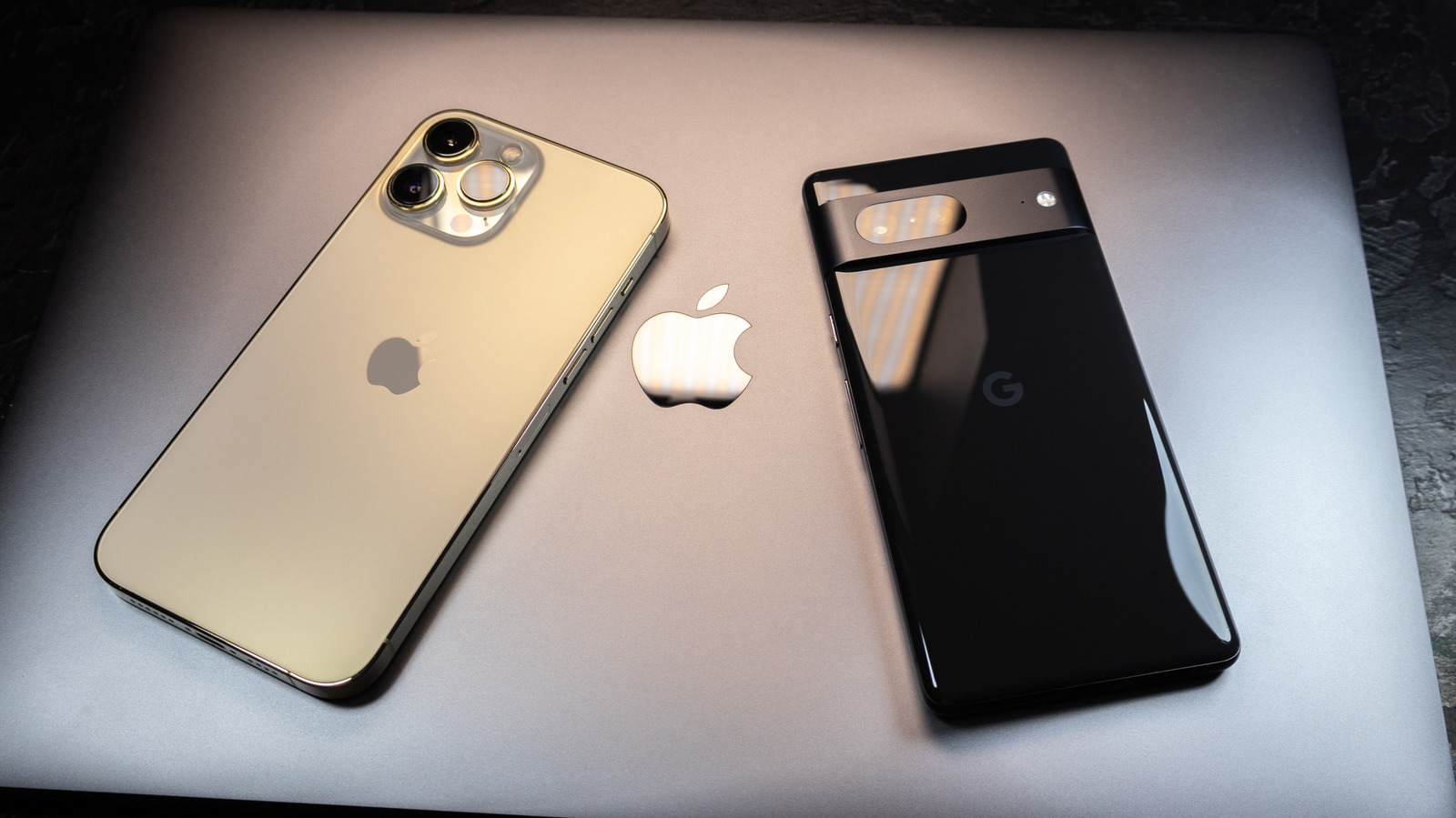
iPhone vs Pixel: A Battle of Software Support Longevity
For smartphone enthusiasts and everyday users alike, software support is a key consideration when choosing a new device. The iPhone vs Pixel software support debate has become especially relevant as both Apple and Google continue to extend the lifespans of their flagship devices. If you’re in the market for a new phone and want assurance that your investment will be supported for years, the details surrounding software guarantees could make all the difference.
Google Pixel’s Bold Software Guarantee
With the release of the Pixel 8 series in 2023, Google raised the bar by promising seven years of Android OS and security updates for all subsequent Pixel devices, including the flagship Pixel 10 launched in August 2025. This written guarantee means that a Pixel 10, for example, will receive updates through August 2032. For those who value predictable and transparent support, this is a significant advantage.
Google’s commitment ensures users receive prompt Android releases and security patches, keeping devices secure and up-to-date. This is especially beneficial for those deeply invested in the Google ecosystem—users of Gmail, Maps, Chrome, and now, advanced AI features powered by Gemini integration. However, it’s important to note that not every new feature will make its way to older devices, as seen with Gemini Intelligence, which was not extended to the Pixel 9 series despite continued support.
Apple iPhone’s Proven Track Record
While Apple does not explicitly advertise a software guarantee in its marketing, its track record is hard to dispute. Historically, iPhones have enjoyed five to six years of robust software and security updates. The iPhone 17, for instance, is documented to receive at least five years of updates in European Union submissions, and the iPhone 11, released in 2019, will support iOS 27. This demonstrates Apple’s commitment to long-term support, even if it isn’t always spelled out in the same way as Google’s written guarantees.
Longevity is not just about support duration, however. The day-to-day performance of iPhones, thanks to Apple’s A-series chips, is often cited as a reason why older iPhones remain responsive and reliable for years. Geekbench 6 scores illustrate that even an almost five-year-old iPhone 13 Pro can match the performance of a brand-new Pixel 10, highlighting Apple’s focus on hardware and software optimization.
Beyond Updates: Hardware and User Experience
Both the iPhone 17 and Pixel 10 are designed for longevity, but hardware durability is equally important. Over several years, battery health will decline on any device, necessitating a replacement to maintain optimal performance. Broken displays and other hardware issues may also arise, so buyers should consider the total cost of ownership and the manufacturer’s repair policies.
For those seeking the latest AI features, the Pixel line’s integration with Gemini and exclusive Google services may be appealing. Conversely, iPhones may offer a more consistent user experience over time, especially for users who prefer Apple’s ecosystem and appreciate the performance advantages of its custom silicon.
Should You Keep Your Phone for the Full Support Period?
While both brands now promise generous software support windows, most users upgrade their devices every three to four years. This approach ensures the best possible user experience, allowing access to the latest hardware innovations and avoiding potential issues from aging components. Ultimately, whether you choose an iPhone or Pixel, you can expect reliable, long-term support that keeps your device secure and feature-rich throughout its usable life.
Conclusion: Which Device Wins the Software Support Race?
The iPhone vs Pixel software support showdown reveals that both Apple and Google offer excellent long-term value. Google’s transparent, seven-year software guarantee provides peace of mind, while Apple’s consistent update history and hardware performance make iPhones a compelling choice for longevity. For buyers deciding between the two, your preference may come down to ecosystem loyalty, desired features, and the overall user experience you seek.
This article is inspired by content from Original Source. It has been rephrased for originality. Images are credited to the original source.