

Google’s New Fitbit Band: A Closer Look
Google is making waves in the wearable technology market with its upcoming Fitbit band, a device that has been cleverly concealed in plain sight. The new screenless fitness tracker, reminiscent of the popular Whoop band, has sparked significant interest among fitness enthusiasts and tech followers looking for the next evolution in health tracking.
A Screenless Design That Stands Out
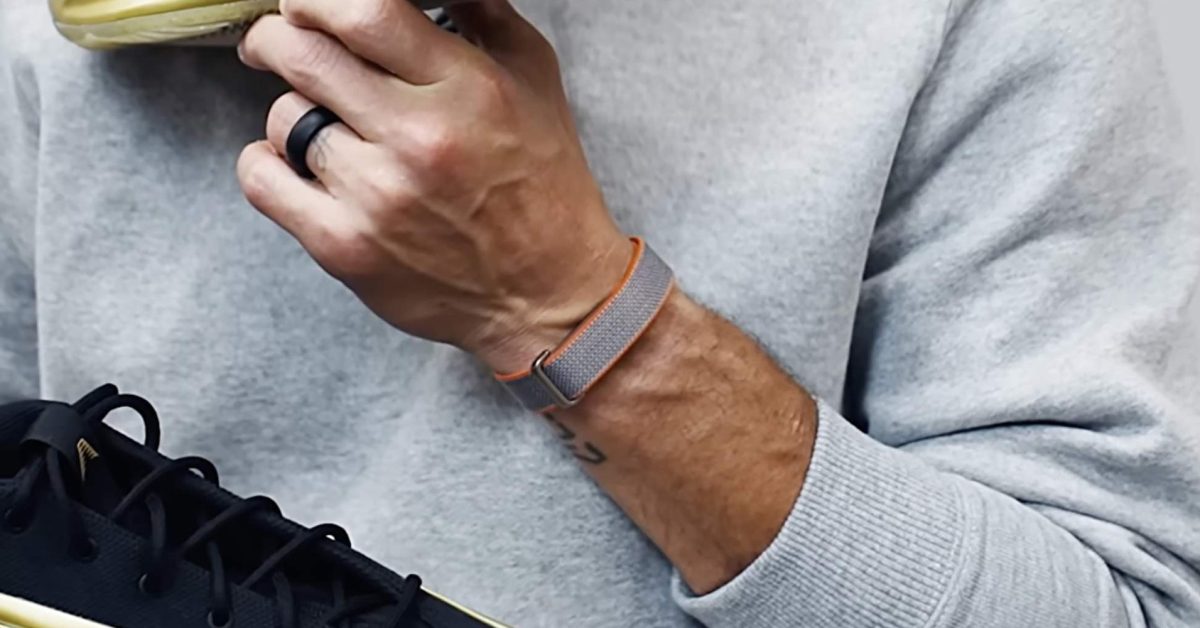
Reports surfaced last month detailing Google’s plan to launch a new Fitbit band that forgoes the traditional display. This new approach is designed to offer a streamlined, discreet experience for users wanting robust tracking without the distraction of a screen. The device’s existence was initially teased by Steph Curry, acting as Google’s “Performance Advisor” for Fitbit, who has been spotted wearing the band in numerous social media posts, press events, and behind-the-scenes videos since January.
Images and videos reveal a thin, lightweight band available in a stylish grey and orange color scheme. The material and clasp echo the design language of other Fitbit products and Google’s Pixel Watch bands, signaling a focus on comfort and usability during all-day wear. The minimalistic hardware design is likely to appeal to users who want accurate fitness monitoring without the bulk or notifications of a smartwatch.
Software Experience: What’s New in the Fitbit App?
While the hardware is garnering attention, the Fitbit band also brings fresh changes to the software experience. Footage from Steph Curry’s social channels showcases a new “Live data” screen within the Fitbit app. This unreleased interface displays real-time metrics such as Cardio Load, heart rate, calories burned, and elapsed workout time. Although this UI is not yet available to the public, it demonstrates Google’s commitment to enhancing the integration between hardware and software, ensuring users get the most actionable insights from their activity data.
The new Fitbit band’s seamless connection to the app suggests a focus on delivering health and performance information directly to the user’s smartphone, rather than the wrist. This could allow for more detailed analytics and a less intrusive experience during workouts, as users can review their performance post-exercise rather than being distracted mid-session.
Competitive Landscape: Fitbit vs Whoop
The fitness tracker market is evolving rapidly, with devices like the Whoop band gaining traction among athletes for their screenless, data-driven approach. Google’s new Fitbit band appears to be a direct response to this trend, providing a discreet yet powerful tool for tracking health metrics. By leveraging its established Fitbit ecosystem and integrating with the broader Google Health and Pixel platforms, Google is positioning this device to attract both casual users and serious athletes alike.
What sets the new Fitbit band apart is its potential for deep integration with Google’s suite of apps and services. From enhanced sleep tracking to detailed cardio analysis, the upcoming tracker is expected to offer a comprehensive health and fitness solution that differentiates itself from competitors through software innovation and user experience.
Release Date and What to Expect Next
Despite the growing buzz, Google has yet to announce an official release date for the new Fitbit band. The company’s deliberate strategy of leaking details through high-profile brand ambassadors like Steph Curry indicates a calculated buildup of anticipation. As more glimpses of the device and its software emerge, the fitness community is eager to see how Google will further refine the experience and when consumers will be able to get their hands on this innovative tracker.
In the meantime, Fitbit continues to roll out new software features, such as expanded water, food, and mood logging, improved sleep tracking, and additional health records. These updates hint at the direction Google is taking: a holistic approach to health monitoring that seamlessly blends hardware and software for a more personalized user journey.
Conclusion: The Future of Fitness Tracking
The upcoming Fitbit band from Google embodies a shift towards more minimalist, user-focused wearable devices. By removing the screen and concentrating on data accuracy and app integration, Google aims to redefine how users interact with fitness trackers. As anticipation builds, all eyes are on Google to deliver a product that balances discretion, comfort, and powerful health insights in one streamlined package.
This article is inspired by content from Original Source. It has been rephrased for originality. Images are credited to the original source.