

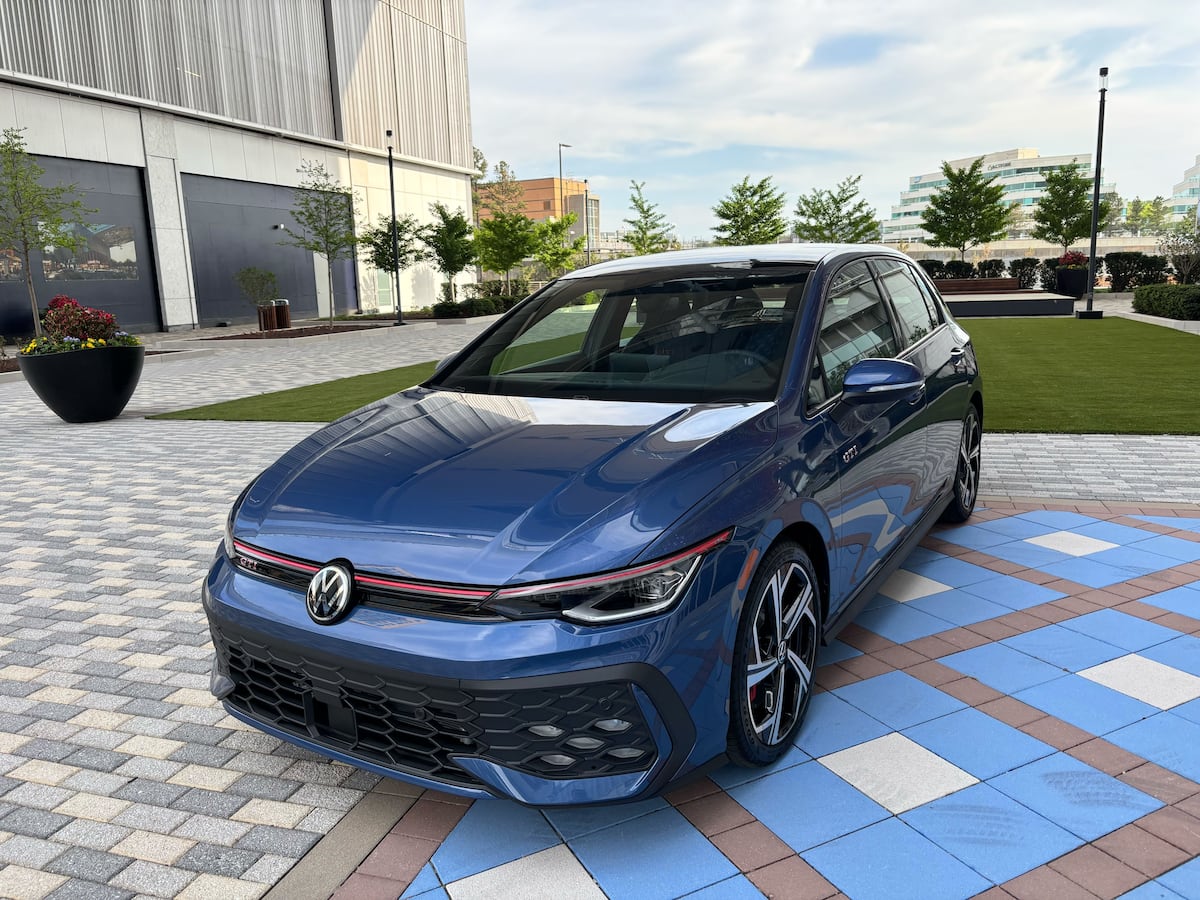
The Evolution of Software-Defined Vehicles
The automotive industry has entered a transformative era, driven by the rise of software-defined vehicles (SDVs). As vehicles become increasingly reliant on complex software systems, the aftersales landscape is shifting dramatically. Manufacturers are rethinking their approach to repair, maintenance, and customer support, with new opportunities and challenges emerging for automakers and their partners.
Changing the Aftersales Model
Traditionally, vehicle aftersales focused on mechanical repairs and routine maintenance. However, the shift to software-defined vehicles means that much of a car’s functionality now relies on integrated code and electronic systems. This evolution requires a new breed of diagnostics and support tools. For instance, companies like OBDeleven have developed advanced diagnostic platforms, licensed for use on vehicles such as the VW Golf, enabling technicians to access and analyze software-driven issues with greater precision.
With the proliferation of software-defined vehicles, automakers gain more control over the repair process. They can restrict access to proprietary software, ensuring that only certified technicians with the right credentials can perform certain repairs or software updates. This not only helps maintain quality and safety standards but also creates new revenue streams for manufacturers through licensing and support services.
Specialized Diagnostics and Certified Networks
The complexity of SDVs has necessitated the development of specialized diagnostic tools. Unlike traditional vehicles, where mechanical skills were paramount, today’s aftersales professionals must possess a blend of software and hardware expertise. Diagnostic platforms are now tailored to specific makes and models, often requiring regular updates to keep pace with evolving software architectures. As a result, independent repair shops may face challenges in accessing the necessary tools and training, while dealerships and certified networks are increasingly favored by automakers.
This shift has significant implications for the broader automotive ecosystem. Manufacturers are investing heavily in training programs for their service technicians, ensuring they can diagnose and resolve both hardware and software issues efficiently. At the same time, certified repair networks are becoming a critical component of the aftersales value chain, providing customers with reliable, up-to-date service options for their increasingly digital vehicles.
Managing the Software Lifecycle
One of the most significant changes brought about by software-defined vehicles is the need for ongoing software management. Vehicles are no longer static products; they require regular software updates and patches to maintain optimal performance, security, and compliance. Automakers are establishing managed software lifecycles, offering over-the-air updates and remote diagnostics to address issues quickly and efficiently.
This new paradigm offers numerous benefits. Customers enjoy enhanced vehicle performance and new features delivered directly to their cars, while automakers can proactively address bugs and vulnerabilities. However, it also means that aftersales support must be equipped to handle software-related inquiries, troubleshoot update failures, and educate customers about the importance of keeping their systems current.
New Revenue Streams and Economic Impacts
The rise of software-defined vehicles is reshaping the economics of aftersales support. Manufacturers now have opportunities to generate recurring revenue through software subscriptions, diagnostics licensing, and certified repair services. By maintaining greater control over the software ecosystem, automakers can capture a larger share of the aftermarket, previously dominated by independent repair shops and third-party providers.
At the same time, these changes raise important questions about competition and consumer choice. As access to software and diagnostic tools becomes more restricted, independent repairers may struggle to remain competitive. Policymakers and industry stakeholders are closely monitoring these trends, balancing the need for innovation with the principles of fair competition and consumer rights.
The Future of Aftersales in a Software-Driven World
As the automotive industry continues its shift toward software-defined vehicles, the aftersales landscape will require ongoing adaptation. Automakers, service providers, and technicians must embrace new technologies and workflows to remain relevant and deliver value to customers. The focus on specialized diagnostics, certified repair networks, and managed software lifecycles will become even more pronounced as vehicles become more digital and interconnected.
Ultimately, the transition to software-defined vehicles represents both a challenge and an opportunity for the automotive sector. Those who invest in the right tools, training, and partnerships will be best positioned to thrive in this evolving environment, ensuring that aftersales support remains a vital part of the ownership experience.
This article is inspired by content from Original Source. It has been rephrased for originality. Images are credited to the original source.