

The Impact of Tim Cook’s Apple Acquisitions
Tim Cook’s Apple acquisitions have significantly shaped the company’s direction over the past decade, blending hardware, software, and services to drive innovation. As Tim Cook prepares to step down and John Ternus gets ready to take the helm in September, it’s the perfect moment to reflect on the most influential mergers and acquisitions during Cook’s tenure as CEO. These strategic moves have brought transformative features and products to Apple’s ecosystem, leaving an indelible mark on the tech giant’s legacy.
Building Apple’s Ecosystem Through Strategic Acquisitions
Under Tim Cook, Apple’s approach to acquisitions has been both targeted and visionary. Rather than chasing high-profile deals like the rumored Tesla buyout, Apple focused on acquiring companies whose technology could be integrated into existing or future products. These acquisitions have powered some of Apple’s most iconic features and services.
For instance, in July 2012, Apple acquired AuthenTec, a move that led to the introduction of Touch ID on the iPhone 5s in 2013. The following year, the company purchased PrimeSense, an Israeli startup responsible for the foundational technology behind Face ID, which debuted on the iPhone X in 2017. Each acquisition was more than just a business transaction; it was a leap forward in user experience.
Major Acquisitions That Defined an Era
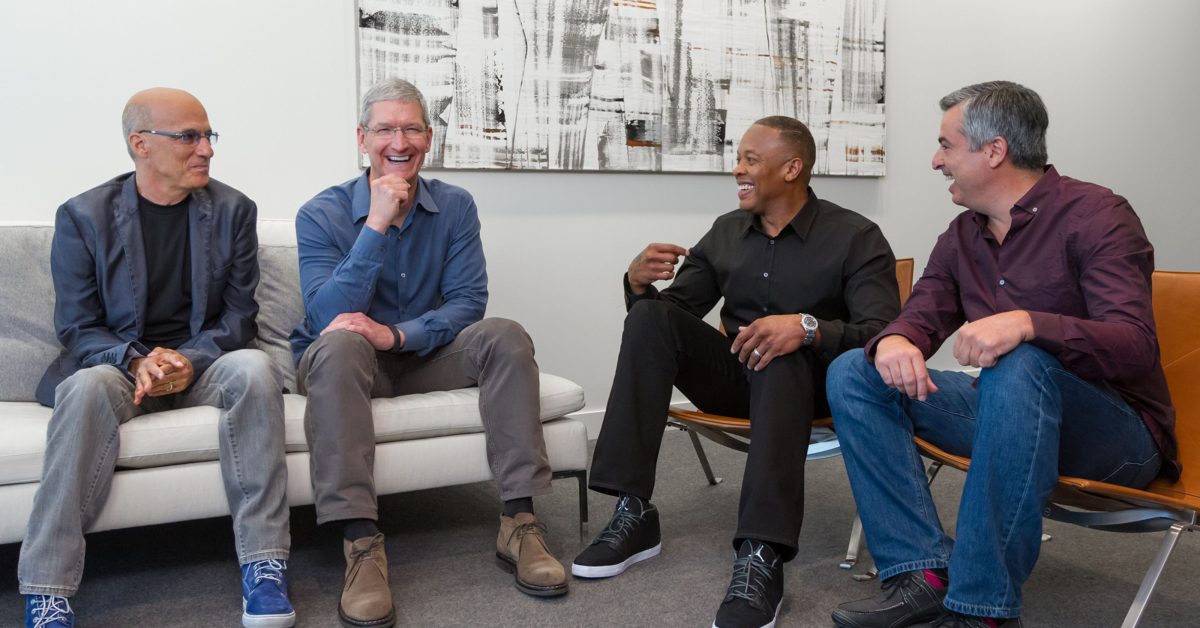
Perhaps the boldest of Tim Cook’s Apple acquisitions was the $3 billion purchase of Beats Electronics in August 2014. This deal not only brought the celebrated Beats brand into Apple’s hardware lineup but also laid the groundwork for Apple Music, now a cornerstone of Apple’s services division. The acquisition also brought influential figures like Dr. Dre and Jimmy Iovine into Apple’s fold, further enhancing the company’s music and cultural cachet.
Other acquisitions focused on enhancing Apple’s software and service offerings. The purchase of Workflow in 2017 eventually led to the creation of Shortcuts, a powerful automation tool now available across iPhone, iPad, and Mac. That same year, Apple bought Beddit, integrating advanced sleep tracking features into the Apple Watch.
In 2018, Apple’s acquisition of Texture transformed the subscription magazine platform into Apple News+, broadening its reach in digital media. The purchase of Shazam that year reinforced Apple’s commitment to seamless music discovery, integrating the popular song identification service deeply into its ecosystem.
Expanding Hardware Capabilities and AI
Tim Cook’s Apple acquisitions weren’t limited to software and content. A landmark deal in 2019 saw Apple acquire Intel’s smartphone modem business for $1 billion. This move enabled Apple to develop its own cellular modems, first seen in the iPhone 16e’s C1 chip and now present in several iPhone and iPad models, reducing reliance on external suppliers like Qualcomm.
Weather and virtual reality also received attention. The acquisition of Dark Sky in 2020 led to more accurate precipitation alerts in Apple Weather and helped power WeatherKit. Around the same time, Apple purchased NextVR, enhancing its capabilities in virtual reality events. In 2026, Apple Vision Pro now features immersive NBA games, a direct benefit of these strategic acquisitions.
Content and Creative Expansion
Apple’s commitment to content creation and distribution was further solidified with the purchase of Primephonic in 2021, which evolved into Apple Music Classical. The acquisition of Pixelmator at the end of 2024 resulted in the launch of Apple Creator Studio, offering advanced creative tools. Game studio RAC7, known for the Apple Arcade hit Sneaky Sasquatch, joined Apple’s portfolio last year, demonstrating investment in gaming content.
This year, recent Apple acquisitions include Q.ai, expected to enhance Siri and the emerging Apple Intelligence platform, and MotionVFX, which supplies content for Final Cut Pro and now contributes to Apple Creator Studio. These moves indicate Apple’s ongoing push into AI and creative solutions.
A Lasting Legacy and a Look Forward
Tim Cook’s Apple acquisitions have been instrumental in shaping the company’s product strategy, ensuring that innovation continues to be at the forefront. The $3 billion Beats deal set a high bar, but newer acquisitions like Q.ai, with its $2 billion price tag, signal that Apple remains committed to significant investment in future technologies.
As John Ternus prepares to succeed Cook, the legacy of these acquisitions will guide Apple’s ongoing evolution. The next chapter for Apple’s mergers and acquisitions will undoubtedly aim to build on this strong foundation, focusing on technologies that enrich user experiences and drive the company’s growth.
Tim Cook’s Apple acquisitions have not only transformed products but also redefined what users expect from Apple. As we look ahead, these deals stand as a testament to Cook’s visionary leadership and Apple’s relentless pursuit of excellence.
This article is inspired by content from Original Source. It has been rephrased for originality. Images are credited to the original source.