
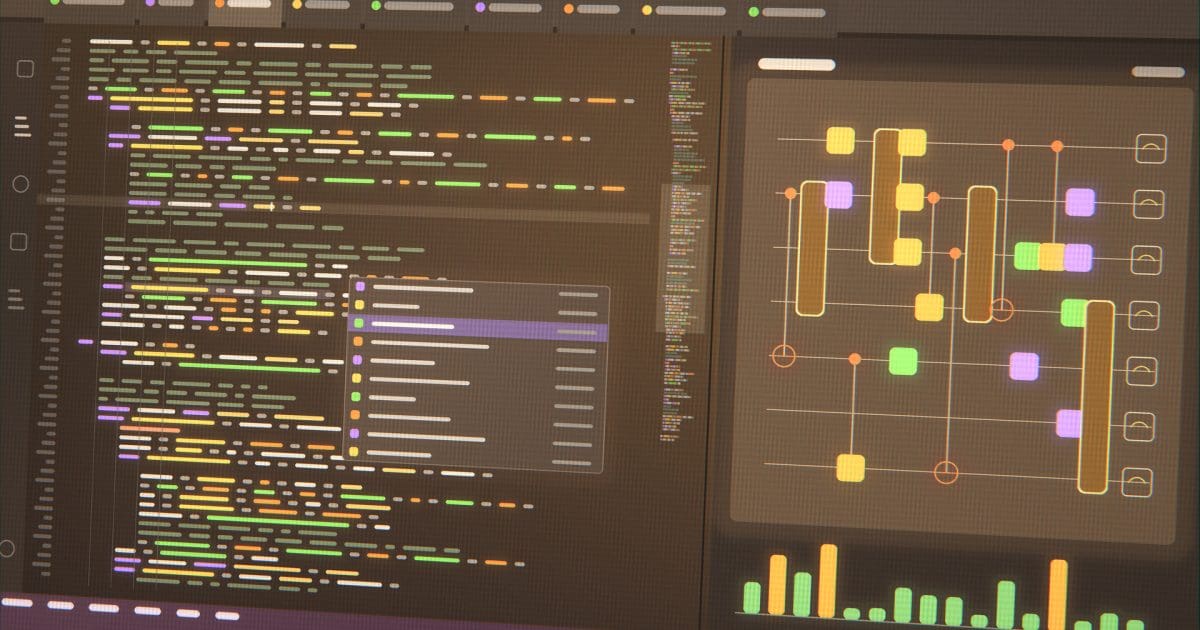
OpenQSE Workshop Drives Quantum-HPC Software Development
The recent OpenQSE workshop, led by Amir Shehata of Oak Ridge National Laboratory (ORNL), marked a pivotal moment in the evolution of quantum-HPC software. Taking place during the 2026 Quantum Computing User Forum, the workshop moved beyond theoretical discussions to implement actionable strategies for building a comprehensive, open-source quantum-HPC stack. This initiative is part of the broader Open Quantum-HPC Software Ecosystem (OpenQSE) project, which aims to bridge the worlds of quantum and high-performance computing (HPC).
Formation of Six Technical Working Groups
This year’s workshop was distinguished by the creation of six dedicated technical working groups, each tasked with developing a critical component of the quantum-HPC software stack. These groups focus on compilers, resource interfaces, system architecture, software architecture, application runtimes, and control electronics. By dividing responsibilities, OpenQSE ensures a targeted approach to tackling the unique challenges of integrating quantum and classical computing environments. Amir Shehata emphasized the importance of this shift: “We’re no longer just discussing what needs to be done; we’re defining deliverables and building the software ecosystem.”
Collaborative Engagement Across Industry and Academia
The quantum-HPC software initiative brings together a diverse range of contributors. Industry leaders such as IBM, Hewlett Packard Enterprise, AWS, Alice & Bob, and Qblox collaborated alongside researchers from ORNL and other academic institutions. This collaborative spirit was evident as organizations traditionally working in isolation joined forces to solve shared challenges.
One notable contribution comes from NVIDIA, which is developing Hierarchical Resource Scheduling (HRES) for the popular Slurm workload manager. HRES extends Slurm’s capabilities to seamlessly integrate and schedule quantum resources alongside conventional HPC resources. This innovation exemplifies the practical advancements being made in the quantum-HPC software space.
Structured Pathways and Regular Collaboration
To maintain momentum, the working groups will convene weekly or biweekly, supplemented by quarterly meetings alternating between virtual and in-person formats. This regular interaction acknowledges the complexity of the problems at hand and the necessity of ongoing collaboration. As Shehata noted, “The problems we’re trying to solve are complicated enough that one day a year is just not enough. We need regular opportunities to sit together, work through technical challenges and build solutions as a community.”
Building a Foundation for Scientific Discovery
The ultimate goal of the OpenQSE initiative is to create a robust quantum-HPC software foundation that enables breakthroughs in scientific research. The integration of quantum and classical computing resources is expected to accelerate discoveries in fields such as materials science and drug development—areas where traditional hardware alone falls short. “You won’t solve scientifically interesting problems with hardware alone,” Shehata stated. “OpenQSE is focused on building that software foundation.”
Expanding the OpenQSE Community
Recognizing the value of a diverse and inclusive ecosystem, OpenQSE organizers are actively seeking participation from students and open-source software developers worldwide. By expanding its community, OpenQSE aims to foster innovation and ensure the long-term sustainability of the quantum-HPC software landscape. The initiative encourages community members to contribute to open-source projects and engage in the ongoing development process.
Deliverables and Measurable Outcomes
Unlike previous years, where the focus was on exploring challenges, this workshop emphasized concrete deliverables and clear milestones for every group. Each working group left with a defined mission, responsibilities, and actionable objectives to drive progress over the coming year. This structured approach is designed to ensure that discussions translate into tangible outcomes for the quantum-HPC software stack.
Conclusion: A New Era for Quantum-HPC Software
The OpenQSE workshop’s formation of six working groups represents a significant step toward building the next generation of quantum-HPC software. By fostering collaboration between industry and academia, setting regular meetings, and focusing on deliverables, OpenQSE is accelerating the development of an open, vendor-neutral software ecosystem. As quantum computing continues to mature, such initiatives are crucial for unlocking the full potential of hybrid quantum-classical systems and advancing scientific discovery.
This article is inspired by content from Original Source. It has been rephrased for originality. Images are credited to the original source.