

The Rise of AI in Automotive Infotainment
Automotive AI is quickly transforming the driving experience, with Rivian at the forefront of this shift. In a recent interview, Rivian’s Chief Software Officer, Wassym Bensaid, shared his perspective on the future of car infotainment systems, suggesting that familiar tools like Apple CarPlay and Android Auto may soon become obsolete in favor of advanced artificial intelligence solutions.
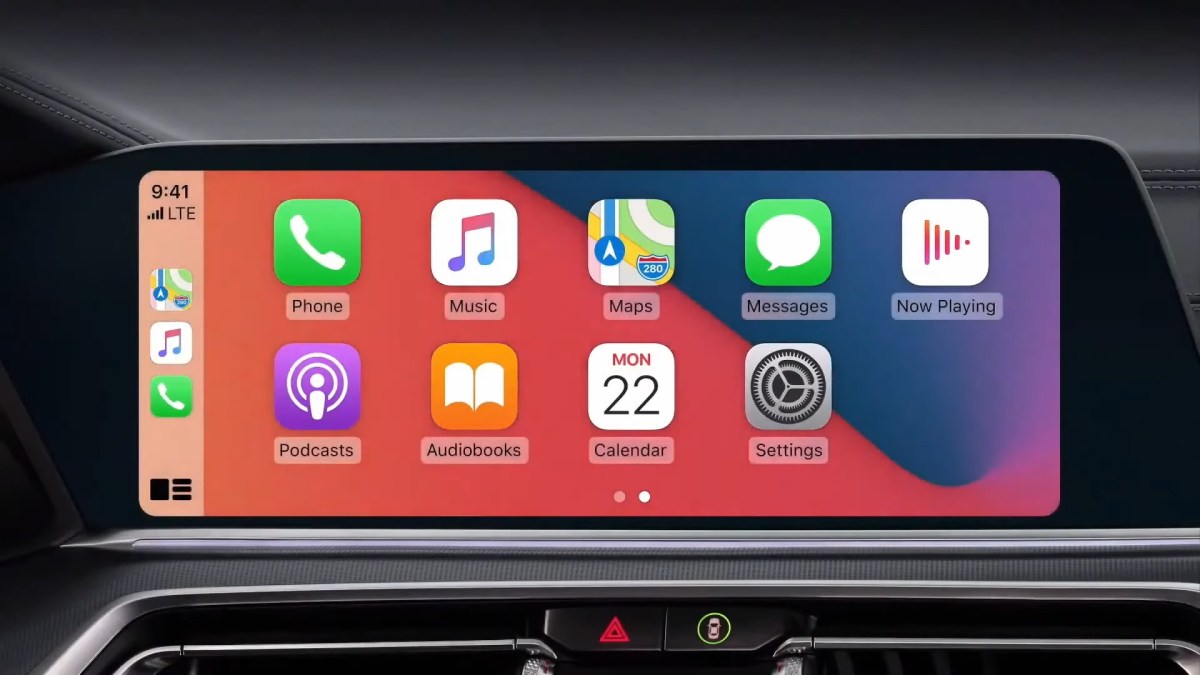
Bensaid argues that the traditional approach of screen mirroring—where smartphone apps take over the vehicle’s display—can be disruptive. He notes that while earlier infotainment systems allowed apps to dominate the entire interface, newer designs are already moving away from this, favoring more integrated, tile-based user interfaces. However, he believes the next major leap will be automotive AI that seamlessly blends app functionality directly into the car’s native system, eliminating the need for mirroring altogether.
Why AI Makes CarPlay and Android Auto Redundant
According to Bensaid, leveraging artificial intelligence enables automakers like Rivian to offer all the features drivers expect—navigation, messaging, music, and more—without ceding control of the interface to third-party apps. He explains that Rivian’s current system already relies heavily on voice commands for basic functions, and as AI technology matures, it will enable even more sophisticated interactions.
“I really believe that the way you interact with apps—single buttons, single icons—a lot of that will now be reshaped into a world where it becomes an agentic integration that presents a wholesome user experience,” Bensaid said during his appearance on The Verge’s Decoder podcast. In his view, automotive AI will create a more fluid, intuitive experience tailored to the unique context of driving, rather than just replicating smartphone interactions on a larger screen.
The Appeal for Automakers: Control and Monetization
For automakers, the benefits of this AI-driven approach are clear. By keeping infotainment within their own ecosystem, manufacturers gain greater control over the customer journey. This opens up new revenue opportunities, such as subscription services, integrated e-commerce, and even targeted advertising. Bensaid suggests that as AI becomes more capable, automakers will find it easier to differentiate their vehicles and ensure drivers remain engaged with their proprietary systems.
However, Bensaid is quick to acknowledge that the technology isn’t quite ready for widespread adoption. The “agentic” tools he envisions are still in development, and it will take time before AI can fully replace the utility and reliability of established platforms like Apple CarPlay and Android Auto.
The Counterargument: Reliability and Compatibility
Despite the promise of automotive AI, many drivers remain loyal to Apple CarPlay and Android Auto for a simple reason—they work. These platforms deliver reliable, cross-device compatibility and are updated frequently to keep pace with new phone releases. Unlike automakers, who operate on longer product cycles, tech companies are able to respond quickly to changes in the smartphone ecosystem, ensuring their apps remain functional across generations of devices.
This contrast raises questions about long-term support. While automakers may be motivated to maintain older cars if those vehicles generate ongoing subscription revenue, updates for smartphone integration are typically offered free of charge. Some fear that as AI-driven infotainment becomes the norm, drivers may be required to pay for ongoing compatibility, potentially eroding the convenience that has made CarPlay and Android Auto so popular.
The Future of In-Car Technology
There’s also the matter of universal compatibility. CarPlay and Android Auto offer near-seamless integration for a wide range of devices, relying on robust software “handshakes” between car and phone. This simplicity benefits both automakers and consumers, as it reduces the need for constant hardware validation and troubleshooting. However, a proprietary, AI-based infotainment system could make it harder for drivers to use the devices and apps they prefer, particularly if automakers prioritize their own ecosystems over open standards.
Ultimately, the debate highlights a broader shift in the automotive industry. As automotive AI becomes more advanced, companies like Rivian are betting that drivers will value the convenience, personalization, and integration offered by these new systems. Whether this vision will win over fans of traditional smartphone mirroring remains to be seen, but it’s clear that artificial intelligence is set to play a central role in the future of driving.
This article is inspired by content from Original Source. It has been rephrased for originality. Images are credited to the original source.