

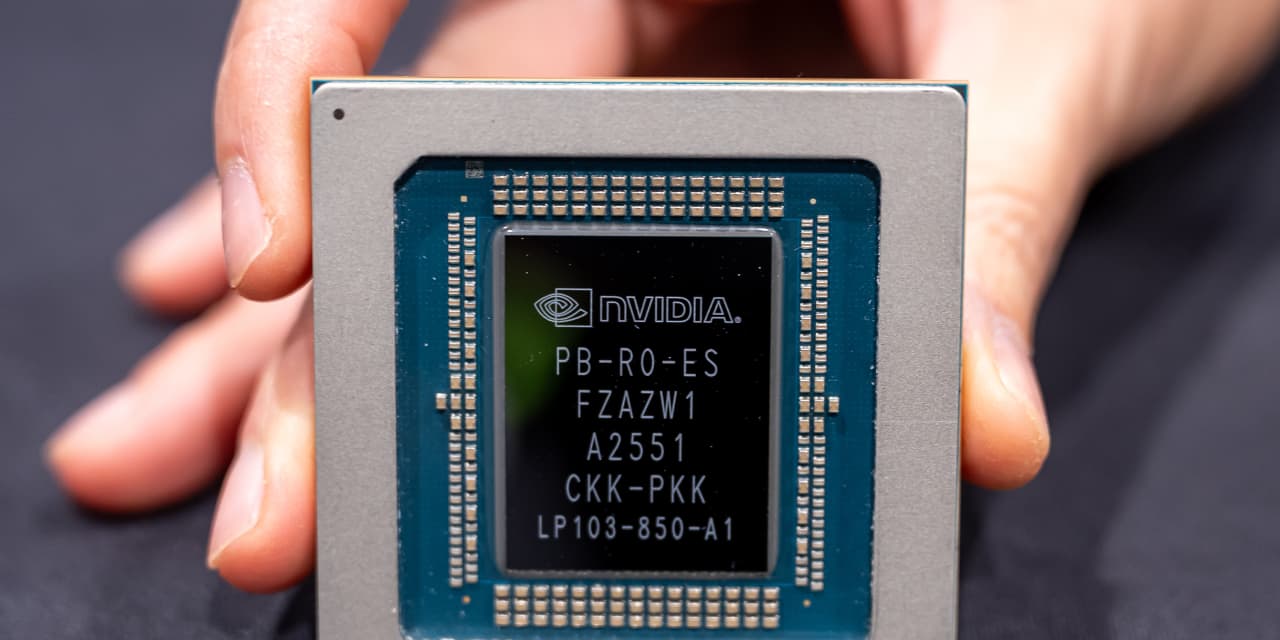
Understanding the Outperformance of Chip Stocks
In recent years, chip stocks have consistently outperformed their software counterparts, drawing significant attention from investors looking for growth opportunities within the technology sector. With the rise of artificial intelligence, cloud computing, and data-centric applications, semiconductor companies have seen their valuations soar. However, software stocks, while lagging in performance, still offer essential exposure to the broader tech ecosystem. For those seeking a balanced approach, combining both chip and software stocks through exchange-traded funds (ETFs) may be the optimal strategy.
The Current Landscape: Chips Outshining Software
The technology sector has been defined by two dominant forces: chip manufacturers like Nvidia and AMD, and major software providers such as Microsoft and Oracle. Over the past year, chip stocks have delivered impressive returns, fueled by robust demand for high-performance processors in AI and cloud infrastructure. Meanwhile, software stocks, although trailing, continue to generate steady revenues and recurring income streams.
This disparity in performance has prompted many investors to rethink their strategies. While chasing the momentum of chip stocks can be tempting, the cyclical nature of the semiconductor industry introduces volatility. Software, with its subscription-based business models, offers a counterbalance through more predictable growth.
Why Consider ETFs for Chip and Software Exposure?
For investors seeking exposure to both chip and software stocks without the risk of over-concentration, ETFs like the Invesco QQQ Trust (QQQ) provide an attractive solution. The QQQ ETF holds a diversified portfolio of the largest Nasdaq-listed technology companies, encompassing leading chipmakers and software giants alike. This “barbell” approach allows investors to capture growth from both fast-moving hardware innovation and the stability of software services.
In 2024, the Invesco QQQ Trust has already climbed 15%, reflecting the combined strength of its underlying holdings. By investing in such ETFs, individuals gain access to companies like Nvidia, Microsoft, and Oracle, balancing the high-growth potential of chips with the steady returns from software.
Benefits of a Diversified Tech Portfolio
Chip stocks are known for their explosive rallies during periods of technological advancement, particularly when new trends like AI or 5G take center stage. However, these rallies can be followed by sharp corrections when demand cycles turn. On the other hand, software companies tend to weather market turbulence better due to their recurring revenue models and essential roles in enterprise operations.
By blending chip and software stocks within a single ETF, investors mitigate the risks associated with market timing and sector concentration. This diversified strategy provides the agility to benefit from semiconductor booms while maintaining a solid foundation in software’s enduring value.
How to Implement the Barbell Strategy
Implementing a barbell strategy involves allocating assets across both ends of the tech spectrum: high-growth chip stocks and stable software names. ETFs like QQQ make this process straightforward by automatically balancing exposure and rebalancing holdings as market conditions change. Investors can also consider sector-specific ETFs, such as the iShares Semiconductor ETF (SOXX) for chips or the iShares Expanded Tech-Software ETF (IGV) for software, to fine-tune their allocations as desired.
For long-term investors, maintaining a consistent allocation to both chip and software stocks can help ride out market volatility while capturing upside from transformative technologies. Regularly reviewing and rebalancing ETF holdings ensures the portfolio remains aligned with individual risk tolerance and market developments.
Key Takeaways for Investors
As chip stocks continue to outpace software in performance, it is crucial for investors to maintain perspective and avoid overexposure to any single segment. A diversified approach using ETFs like the Invesco QQQ Trust offers a practical way to participate in the ongoing evolution of the technology sector. By combining chip and software stocks, investors can achieve a balanced portfolio that captures both growth and stability.
Ultimately, the key to successful technology investing lies in understanding the unique characteristics of each sub-sector and utilizing diversified vehicles such as ETFs to manage risk. As the tech landscape evolves, maintaining exposure to both chip and software stocks positions investors to benefit from the next wave of innovation.
This article is inspired by content from Original Source. It has been rephrased for originality. Images are credited to the original source.