
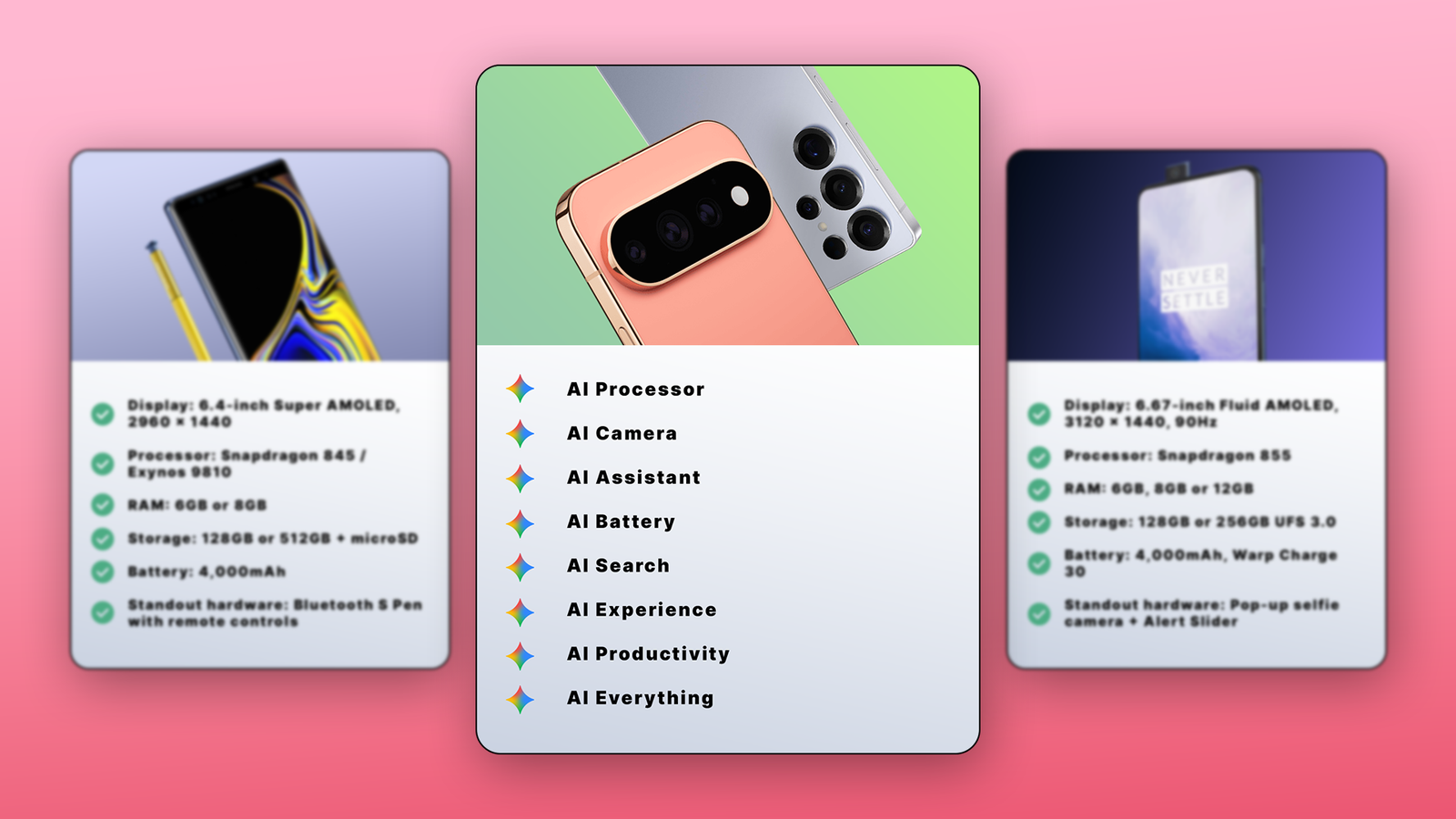
The Shift From Hardware to Software in Smartphones
For years, the excitement surrounding new smartphones revolved around tangible hardware improvements—better cameras, brighter displays, larger batteries, and faster processors. But as the smartphone hardware landscape matures and manufacturers pivot their focus to AI and software features, many users, including myself, find it harder to anticipate new releases with the same level of enthusiasm.
Once, a new phone launch meant a noticeable leap in performance or design. Now, discussions often center on artificial intelligence and clever software tricks that don’t always translate to a better everyday experience. The question arises: is smartphone hardware still the core reason to upgrade?
Spec Sheets Used to Mean Excitement
There was a time when poring over a phone’s spec sheet was genuinely thrilling. A faster chipset, more RAM, an improved camera sensor, or a higher resolution display provided concrete evidence of progress. These hardware upgrades were immediately noticeable and offered clear, practical benefits.
When devices cost hundreds or even thousands of dollars, it’s only natural to want to see where that money is going. Smartphone hardware advancements made that value clear. But today, spec sheets seem less relevant as manufacturers prioritize AI-driven features and software enhancements, leaving hardware improvements feeling incremental rather than revolutionary.
Distinctive Hardware Made Phones Unique
What made certain phones memorable wasn’t just the numbers on a spec sheet. It was the design choices and hardware innovations that set them apart. Take, for example, the OnePlus 7 Pro, which still stands out years after its release thanks to its 90Hz display, curved edges, and pop-up selfie camera—features that added genuine character and utility.
Other phones, like the Samsung Galaxy Note 9, introduced hardware features such as the Bluetooth-enabled S Pen, transforming the device into more than just a phone. Even small touches, like OnePlus’ physical Alert Slider, solved real-world problems in ways software never could. These days, fewer manufacturers are willing to take hardware risks, resulting in a sea of similar-looking, uninspiring devices.
AI Features Feel Less Exciting
While artificial intelligence has brought meaningful improvements to mobile devices, AI-focused updates often feel less impactful than hardware upgrades. Many software features, such as Google’s Magic Eraser or Circle to Search, are initially exclusive to flagship models but soon become available on a wider array of devices or through app updates.
This trend diminishes the appeal of buying a new phone just for AI-driven features, especially when those capabilities eventually land on older hardware. For those invested in smartphone hardware, the lack of exclusive and tangible upgrades can make new launches feel repetitive.
The Enduring Importance of Battery Life
Despite the industry’s software shift, battery technology remains a critical area where hardware improvements are necessary and appreciated. Innovations like silicon-carbon battery technology enable larger batteries without making phones bulkier. Devices with 6,000mAh batteries are increasingly common, and some new models push beyond that threshold.
For many users, improved battery life is a compelling reason to upgrade. After all, no amount of AI can compensate for a device that doesn’t last through the day. When it comes to smartphone hardware, a bigger, more reliable battery is often more valuable than the latest software innovation.
Camera Hardware Still Matters
While computational photography and software processing have revolutionized mobile photography, there’s still no substitute for better camera hardware. Larger sensors, higher-quality lenses, superior low-light performance, and faster shutter speeds are all areas where hardware trumps software tweaks.
Although AI-driven image enhancements are helpful, there’s a tipping point where software manipulation risks altering the authenticity of a photo. Users who value photography want manufacturers to continue pushing the boundaries of smartphone hardware rather than relying solely on AI to improve results.
Bringing Back the Excitement in Smartphone Upgrades
The allure of AI and software features isn’t lost on today’s smartphone enthusiasts. However, these innovations shouldn’t overshadow the fundamental importance of hardware. When considering an upgrade, tangible improvements—a better camera, longer battery life, a brighter display, or a noticeably refined design—remain the primary motivators.
Ultimately, the most exciting smartphones are those that deliver clear, visible advancements in hardware. As the industry continues to evolve, many users hope manufacturers will refocus on what made phone upgrades special in the first place: meaningful smartphone hardware improvements that are evident the moment you pick up a new device.
This article is inspired by content from Original Source. It has been rephrased for originality. Images are credited to the original source.