

Itera Introduces Game-Changing PCB Prototyping
PCB prototyping has long been a complex and time-consuming process in electronics design. Itera, a San Francisco-based startup, aims to change this narrative with an innovative approach that makes modifying printed circuit boards as effortless as updating software.
Itera recently raised $12 million in seed funding, with investments from Upfront Ventures, Costanoa Ventures, and Colle Capital. This substantial backing highlights the industry’s confidence in Itera’s technology, which promises to accelerate hardware development cycles and reduce costs.
The Challenges of Traditional PCB Prototyping
For decades, software developers have enjoyed the luxury of writing, testing, and iterating code in real time. Hardware engineers, in contrast, have faced the challenge of hardware’s permanence—changing a PCB design typically requires significant time, money, and effort. According to AJ Cooper, CEO and Co-founder of Itera, “Hardware has always been hard because it is permanent. Changing it requires time and money. Itera is making hardware easy. For the first time ever, an engineer can change a circuit and test it again before their coffee gets cold.”
This pain point in PCB prototyping slows innovation and increases the risk of costly errors late in the development cycle. Engineers have traditionally relied on simulation software, which falls short of mimicking real-world component behavior, or have had to wait days or weeks for new boards to be fabricated and delivered.
Liquid Metal and Glass: The Technology Behind Itera
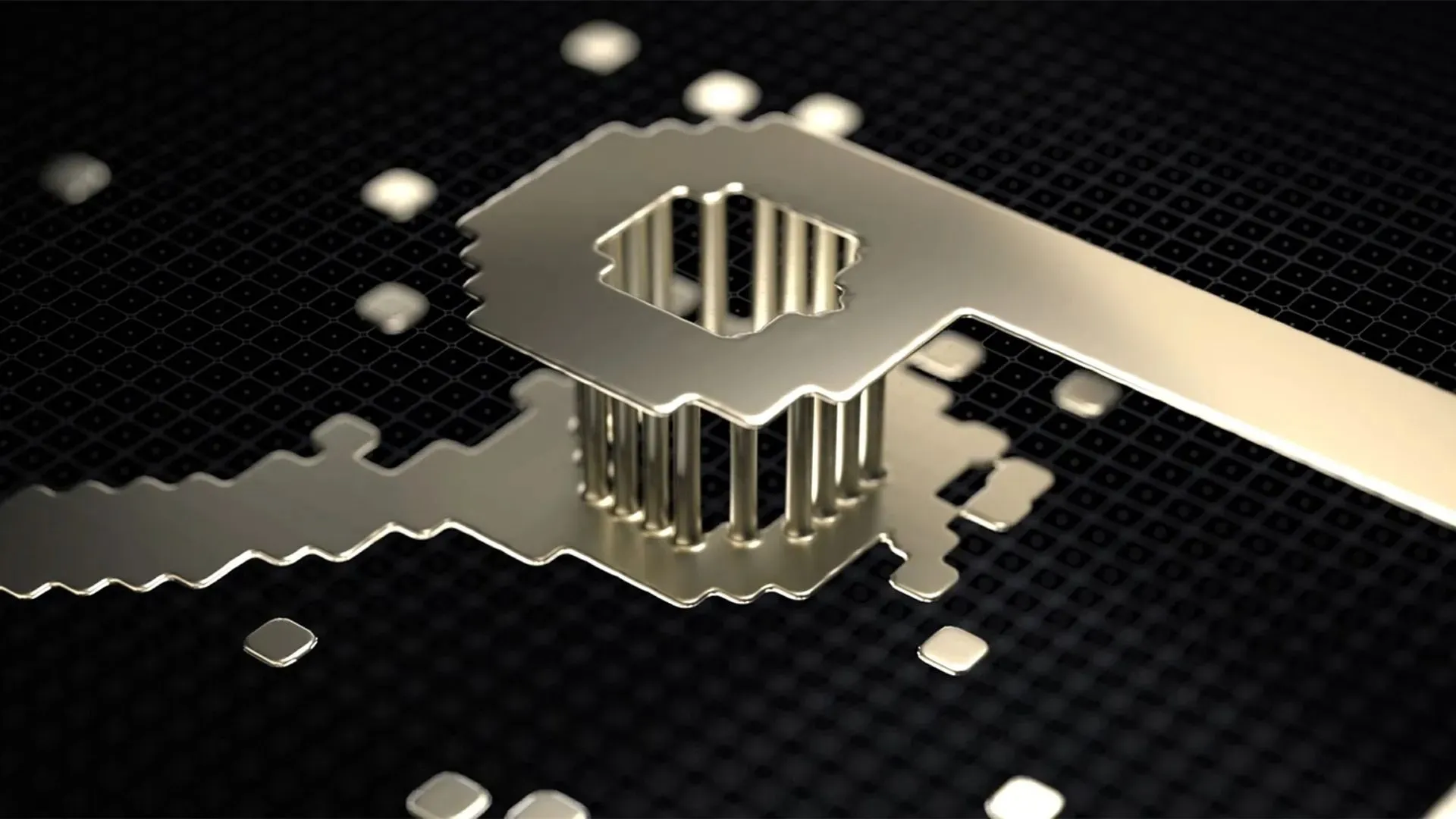
Itera’s breakthrough lies in its use of electrowetting to manipulate liquid metal alloys on a glass substrate. By applying electric fields, the system moves the liquid metal to form and reconfigure circuit traces in under a minute. This allows engineers to physically rewire a prototype board—complete with real components—almost instantly, eliminating the need for traditional PCB manufacturing at the prototyping stage.
The company describes its hardware as a reprogrammable multilayer substrate, combining the transparency and stability of glass with the flexibility of liquid metal. This unique combination enables rapid, real-world iteration in PCB prototyping, bridging the gap between digital simulation and physical testing.
Electronics-as-a-Service: A New Model for Hardware Development
Itera’s business model operates as Electronics-as-a-Service. Customers send in their designs, which are then assembled using actual electronic components on Itera’s proprietary multilayer substrates at secure, U.S.-based testing centers. From anywhere in the world, engineers can modify and test their hardware and software in real time, iterating until they achieve a validated design ready for manufacturing.
This model allows customers to interact with actual hardware, rather than relying solely on software simulations. Unlike traditional PCB prototyping methods, Itera’s approach provides access to any internal circuit node, not just exposed test points, offering a more comprehensive and accurate testing environment.
Advantages Over Conventional Prototyping
The benefits of Itera’s technology are significant for anyone involved in PCB prototyping:
- Speed: Engineers can change and test circuits in under a minute, dramatically accelerating the design cycle.
- Realism: Prototypes use actual components, providing a true representation of how the final product will behave.
- Accessibility: Remote iteration is possible, enabling distributed teams to collaborate efficiently.
- Cost Reduction: Fewer physical boards need to be fabricated, saving money and resources.
Implications for the Electronics Industry
Itera’s rapid PCB prototyping platform has the potential to transform hardware development. By offering real-time iteration, physical realism, and remote collaboration, Itera could help hardware startups and established firms alike bring products to market faster and with greater confidence in their designs.
As the electronics landscape grows increasingly competitive, tools that can compress development timelines and improve design fidelity are likely to see rapid adoption. Itera’s approach not only streamlines prototyping but also opens the door to more experimental and innovative hardware, since the cost and risk of failure are dramatically reduced.
The Future of Hardware Iteration
With its fresh take on PCB prototyping, Itera is poised to accelerate hardware innovation across industries. Whether for wearables, IoT devices, or complex embedded systems, the ability to quickly rewire and test new ideas could usher in a new era of agile hardware development.
Itera’s combination of electrowetting liquid metal technology and a scalable service model represents a major leap forward for electronics engineers. As more companies adopt this approach, the traditional boundaries between hardware and software iteration may finally begin to blur.
This article is inspired by content from Original Source. It has been rephrased for originality. Images are credited to the original source.