

Introduction: Modernizing Voter Signature Verification
As election integrity continues to be a top priority, signature verification software is revolutionizing how mail-in ballots are processed and authenticated. In Washoe County, Nevada, the Registrar’s Central Counting office has adopted advanced technology to verify voter signatures efficiently, ensuring both speed and accuracy throughout the election process. With the increasing reliance on mail-in voting, robust and reliable signature verification software has become essential for maintaining trust in election outcomes.
How Signature Verification Software Works
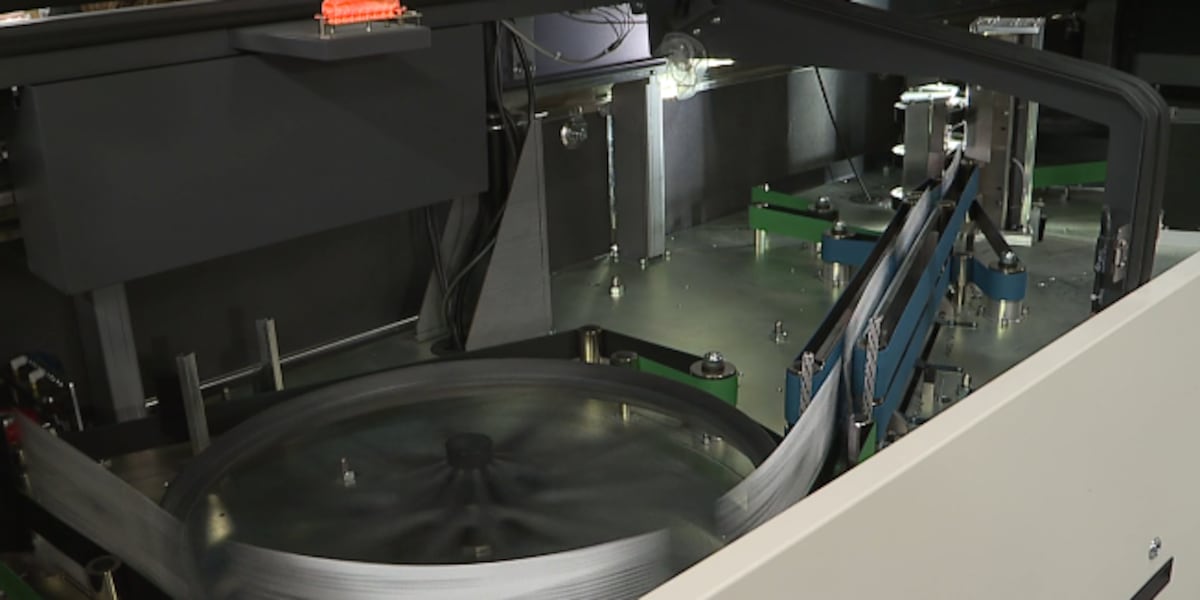
The process begins as mail-in ballots are received at the Registrar’s office. The state-of-the-art Blue Crest Machine, equipped with signature verification software, sorts incoming ballots and analyzes the signatures on each envelope. This software compares the submitted signature with the official voter registration record. If the signature matches, the ballot is automatically sorted into the appropriate precinct batch, ready for the next phase of processing. This automation significantly reduces the need for manual review, increasing efficiency by an estimated 15% to 20%.
For ballots where the software cannot confirm a signature match, a bipartisan team steps in for manual inspection. This team examines the signature on the envelope and compares it to the official voter record. If the team is unable to verify the signature, the ballot is challenged according to established protocols, ensuring every voter’s intent is properly considered.
Enhancing Efficiency and Accuracy
The implementation of signature verification software marks the first time Washoe County has used such technology for mail-in ballots. Officials believe it will streamline the process and reduce human error. According to Cisco Aguilar, Nevada’s Secretary of State, “Washoe County has some of the most advanced equipment in the state with the Blue Crest Machine. They will be able to process those ballots quicker and faster.”
This transition to automated verification is expected to free up valuable staff time and allow for more ballots to be processed in a shorter time frame, especially as election volumes increase. The software’s ability to rapidly scan and analyze tens of thousands of signatures means that ballots can be sorted and prepared for counting with minimal delay. This is crucial for meeting tight election deadlines and for ensuring that every valid vote is counted promptly.
Manual Review and Ballot Preparation
Even with advanced signature verification software, some ballots require human intervention. Fifteen days before Election Day, verified ballots are removed from their envelopes by a bipartisan board. At this stage, the board checks for any damage and, if necessary, recreates a duplicate ballot to ensure the voter’s choices are accurately reflected. Damaged ballots are securely stored and documented to maintain transparency and accountability.
All ballots, including duplicates, are then prepared for scanning and tabulation. On Election Day, scanned mail-in ballots are tallied alongside in-person votes. These results are transmitted to the Secretary of State’s office, where they are aggregated and released as part of the official election outcome.
Recommendations for Voters
As mail-in ballots are distributed to voters, election officials recommend sending ballots back at least one week before the deadline to ensure timely delivery. Ballots can also be hand-delivered at any election site or directly to the Registrar’s Office. It is essential that hand-delivered ballots arrive by Election Day to be counted.
Voters are encouraged to check their sample ballots for drop-off locations and to follow all instructions carefully. Proper signature matching is critical—not only for the security of the election but also to guarantee that every legitimate vote is counted without unnecessary delays.
Conclusion: The Future of Election Technology
The adoption of signature verification software in Washoe County reflects a broader trend toward technology-driven election security and efficiency. By automating a traditionally manual process, election officials can focus on accuracy, speed, and transparency. As more counties and states consider similar upgrades, the role of signature verification software in protecting the integrity of mail-in voting will only become more significant.
This article is inspired by content from Original Source. It has been rephrased for originality. Images are credited to the original source.