

Understanding Software Defects and Anomalies
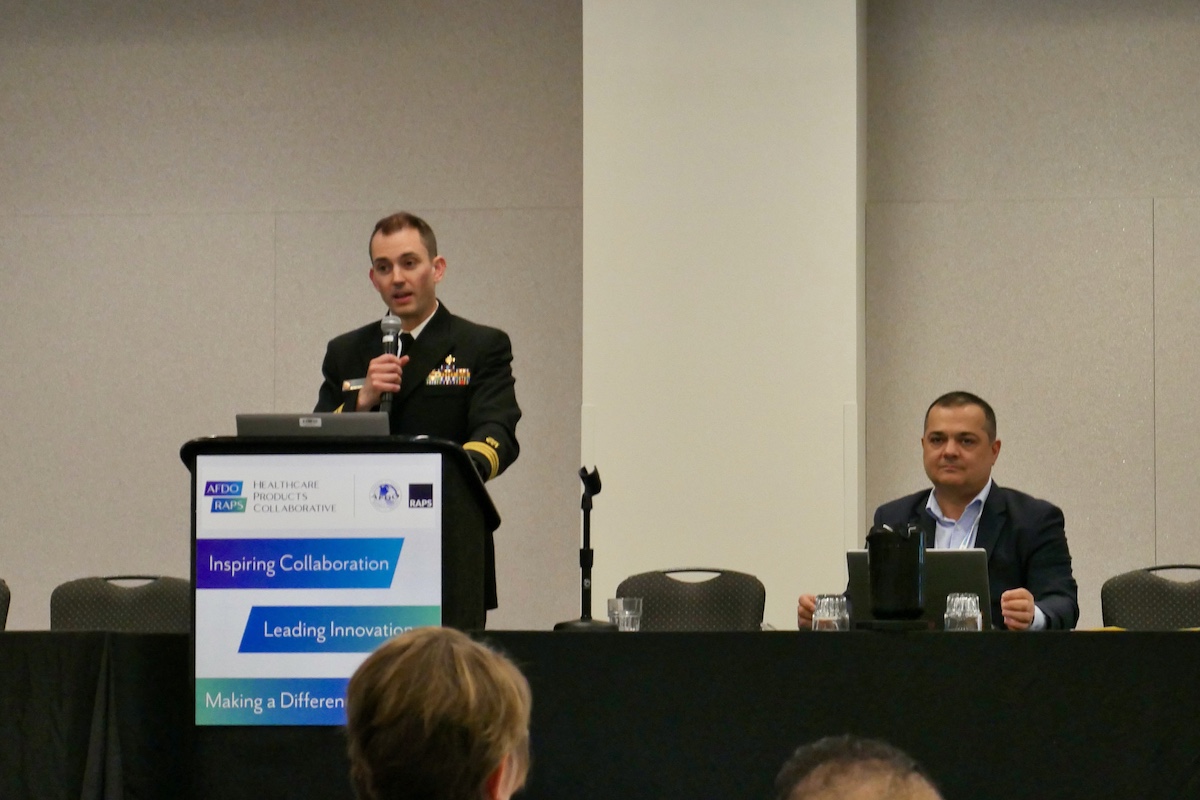
Managing software defects and anomalies in medical devices is a critical aspect of ensuring product safety and regulatory compliance. At the 2026 MedCon conference, experts from the FDA and leading industry organizations came together to discuss best practices for managing software defects and anomalies. Their insights offer valuable guidance for medical device manufacturers navigating the complex environment of software quality assurance.
Defining Defects vs. Anomalies
During the conference, panelists emphasized the importance of distinguishing between a software defect and an anomaly. Software defects are typically errors, faults, or bugs that result in the software not performing as intended. Anomalies, on the other hand, are unexpected behaviors or results that may not immediately indicate a defect but still require further investigation.
Understanding the difference between these terms is essential. Correctly identifying an issue as a defect or anomaly guides teams in choosing the right process for evaluation, documentation, and resolution. This distinction forms the basis for effective managing software defects throughout the medical device software lifecycle.
Regulatory Considerations and Compliance
The FDA’s perspective on managing software defects underscores the need for rigorous documentation and risk assessment. When a defect is identified, manufacturers must assess its impact on device performance and patient safety. The panelists recommended implementing robust procedures for logging defects, analyzing root causes, and tracking corrective actions.
For anomalies, the experts advised that organizations should maintain clear records and establish criteria for escalation. Not every anomaly will lead to a product recall or software update, but having a process to evaluate their significance helps ensure compliance with regulatory requirements.
Best Practices for Managing Software Defects
Speakers at MedCon outlined several best practices for managing software defects in medical devices:
- Early Detection and Reporting: Encourage teams to identify and report defects as early as possible in the development process. Early detection minimizes the costs and risks associated with late-stage fixes.
- Standardized Documentation: Use standardized templates for defect and anomaly reporting. Detailed documentation aids in thorough analysis and supports regulatory submissions.
- Risk-Based Prioritization: Not all defects pose the same risk. Prioritize issues based on their potential impact on device safety and effectiveness.
- Root Cause Analysis: Conduct root cause analysis for significant defects to prevent recurrence and improve overall software quality.
- Continuous Communication: Foster open communication between development, QA, and regulatory teams to ensure transparency and prompt resolution of issues.
The Role of Regulatory Reliance Programs
In addition to technical best practices, the conference highlighted regulatory developments in the Asia-Pacific region. Following a successful pilot, Malaysia and Thailand have implemented a medical device regulatory reliance program. This initiative allows agencies to rely on the regulatory decisions of other trusted authorities, streamlining the approval process for medical devices, including those with complex software components.
Such programs can help manufacturers by reducing duplication of effort and expediting market access. However, they also place greater emphasis on robust internal processes for managing software defects to meet diverse regulatory expectations.
Conclusion: The Path Forward
As medical device software becomes increasingly sophisticated, the stakes for effective managing software defects and anomalies continue to rise. Embracing best practices such as early detection, standardized reporting, and risk-based prioritization is essential for both regulatory compliance and patient safety.
Industry leaders and regulators agree that a proactive, systematic approach to software quality assurance is key. By investing in sound defect management processes and staying informed about evolving regulations, manufacturers can ensure their products remain safe, effective, and market-ready in a global landscape.
This article is inspired by content from Original Source. It has been rephrased for originality. Images are credited to the original source.