

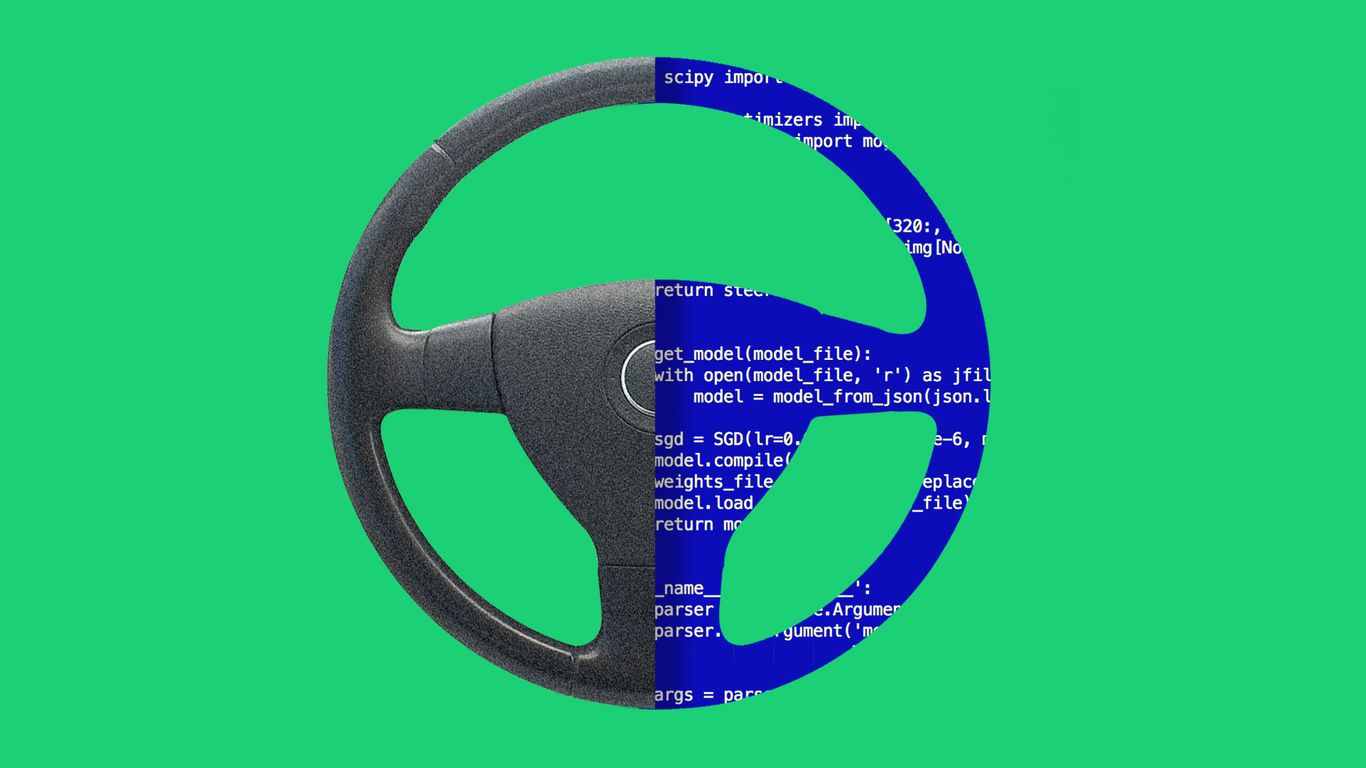
The Growing Challenge of Software-Driven Cars
Software-driven vehicles like Teslas are encountering a dilemma familiar to smartphone users: aging hardware struggling to keep up with rapidly advancing software. However, unlike smartphones, which are easily replaced every few years, cars typically stay on the road for more than a decade. This is causing a distinct problem as automotive technology races forward, leaving older vehicles behind in terms of features and capabilities.
Why Teslas Are Facing Unexpected Obsolescence
Recently, Tesla admitted that millions of its older vehicles cannot support the latest software-driven vehicles features, particularly full self-driving (FSD) capabilities. This revelation has highlighted a growing reality in the auto industry: while software can be updated over the air, the underlying chips and sensors in vehicles cannot be easily swapped out as they can in consumer electronics. This creates a hardware ceiling, particularly for cars that were originally promised continuous improvement through software updates.
Elon Musk, Tesla’s CEO, had long envisioned a future where cars would get better with age, thanks to software enhancements. Many Tesla owners purchased vehicles with the expectation that future self-driving features would be unlocked as technology advanced. However, during a recent earnings call, Musk reversed this position, informing investors that Teslas built before 2024 do not possess the necessary memory and hardware to achieve full autonomy. This has resulted in widespread frustration and an avalanche of lawsuits from customers who paid significant sums for features they may never receive.
The Costly Reality of Upgrading Automotive Hardware
Currently, about 3.5 million vehicles, or roughly 40% of all Teslas on the road, are affected by this issue. Tesla has proposed two solutions for these customers: either trade in their car for a new model equipped with the latest hardware, or pay for a costly upgrade involving the replacement of the car’s computer, cameras, and wiring—a process likened to “major brain surgery” by Musk himself. The company has yet to disclose the cost or availability of these hardware retrofits.
As a temporary measure, Tesla plans to release an “FSD v14 Lite” software update for older models, offering improved assisted-driving features but falling short of full autonomy. Nonetheless, this stopgap is unlikely to satisfy owners who were promised far more. Industry analysts estimate that even if just one million vehicles undergo hardware upgrades at $3,000 to $5,000 each, Tesla could be facing $3 to $5 billion in liability, underscoring the scale of the problem for software-driven vehicles.
A Broader Issue for the Auto Industry
This isn’t just a Tesla problem. According to autonomy expert Phil Koopman of Carnegie Mellon University, this hardware-software gap is a “forever problem” that will ultimately affect all privately owned autonomous vehicles. While consumer electronics like phones and laptops are typically replaced every five years or so, cars can easily last 13 years or more. As a result, millions of vehicles could remain on the road, fully operable but rapidly falling behind in terms of technological capabilities.
The auto industry may soon see a rise in “mid-life upgrade strategies”—offering substantial hardware and software updates to extend a car’s useful life. However, manufacturers have limited financial incentive to keep supporting old hardware indefinitely. Over time, carmakers may choose to discontinue updates for older models, nudging consumers toward purchasing new vehicles instead of maintaining existing ones.
The Bottom Line: Are Software-Driven Vehicles Sustainable?
The dilemma facing Tesla and other automakers raises important questions about the sustainability of software-driven vehicles. While the promise of continual improvement via software is appealing, it’s becoming clear that hardware limitations can turn even the most advanced cars into obsolete technology long before their engines give out. For consumers, this means factoring in not just the purchase price, but also the potential costs of future upgrades.
The case of software-driven vehicles like Tesla highlights the need for a more holistic approach to automotive design—one that considers both the rapid evolution of software and the long lifespan of cars. As the industry moves forward, balancing innovation with longevity will be crucial for both manufacturers and owners.
This article is inspired by content from Original Source. It has been rephrased for originality. Images are credited to the original source.