

Introduction: The Power of Digital Twin Software
For manufacturers exploring the world of automation, digital twin software offers a revolutionary approach to evaluating and implementing robotic solutions. As labor challenges and rising costs push companies toward automation, the question of how to start—and how to choose the right combination of robots, peripherals, and layouts—can be daunting. This article explores how digital twin software empowers manufacturers to explore automation options with confidence, efficiency, and reduced risk.
What Is Digital Twin Software?
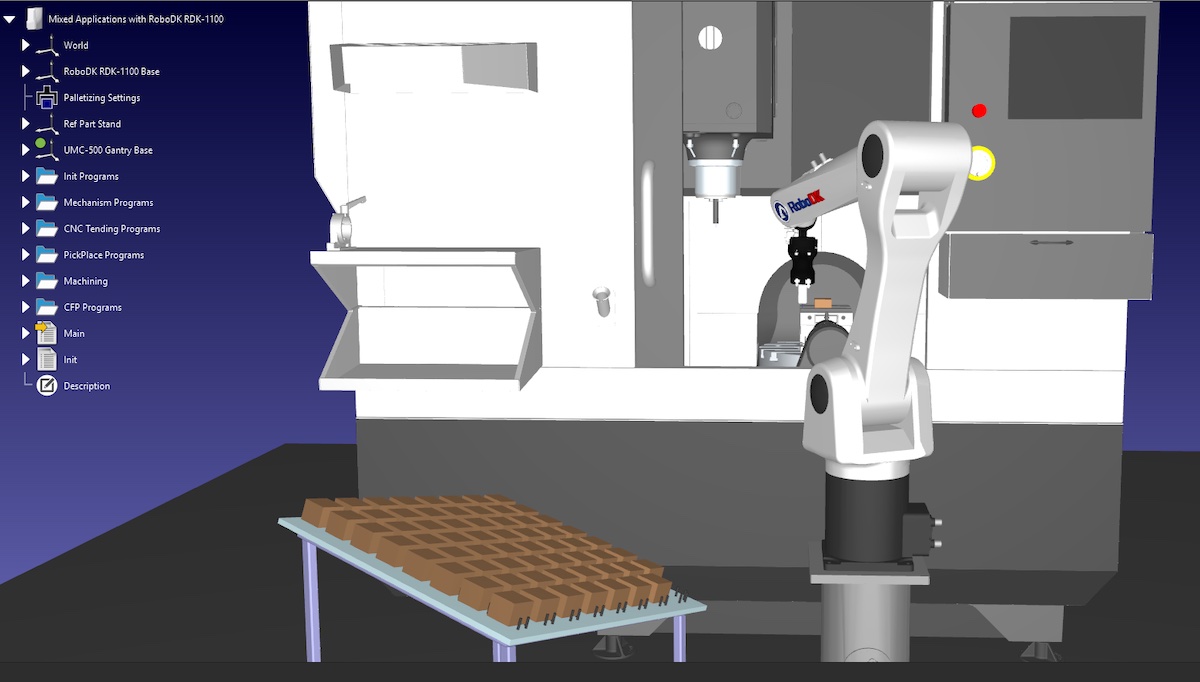
Digital twin software refers to a virtual environment that models a physical robotic cell, including robots, end-of-arm tooling, fixtures, conveyors, sensors, operators, and related equipment. Unlike static CAD drawings or spreadsheets, digital twins provide dynamic, interactive simulations that demonstrate how an automation system will actually function in practice. By leveraging these virtual models, manufacturers can answer critical questions about robot reach, cell layout, workflow, and compatibility before investing capital.
Benefits of Exploring Automation Virtually
One of the main advantages of using digital twin software is the ability to test robots from multiple brands, experiment with different layouts, and simulate various production scenarios—all without physical setup or downtime. This approach enables teams to:
- Assess robot size, payload, and reach for specific tasks.
- Validate the compatibility of end effectors, grippers, and peripherals.
- Estimate cycle times and identify potential bottlenecks or idle periods.
- Analyze operator access, safety clearances, and maintenance requirements.
- Evaluate the impact of layout changes on throughput and workflow.
With digital twin software, manufacturers can avoid vendor lock-in, reduce the risk of costly mistakes, and make informed decisions based on real-world simulations rather than assumptions.
From Concept to Deployment: How Digital Twins Bridge the Gap
Whether you’re testing a pick-and-place application, CNC machine tending, or advanced robotic machining, digital twin software acts as a bridge between initial ideas and real-world deployment. For example, when modeling a robotic cell for machine tending, a digital twin can reveal practical issues such as unexpected idle times, gripper limitations, or layout constraints that brochures and videos might not disclose. By importing CAD files and simulating workflows, manufacturers can pinpoint design improvements—like switching to a dual-grip end effector or adjusting cycle times—that enhance productivity and quality.
Moreover, many digital twin platforms offer built-in templates for common applications, making it easier for companies new to automation to get started. Features such as offline programming and automatic code generation further streamline the transition from simulation to deployment, ensuring that robot movements and safety protocols are validated before any physical hardware is installed.
Key Features to Look for in Digital Twin Software
Not all digital twin solutions are created equal. When evaluating digital twin software for your automation journey, consider the following essential features:
- Extensive robot and peripheral libraries: Access to a broad selection of robots, end effectors, sensors, and fixtures facilitates side-by-side comparisons and reduces the risk of vendor lock-in.
- Advanced simulation tools: Collision checking, reachability analysis, and motion planning capabilities are crucial for validating cell designs and minimizing errors.
- Offline programming and code generation: The ability to generate and test robot code within the software accelerates deployment and troubleshooting.
- Usability and cost-effectiveness: For first-time automation buyers, intuitive interfaces and affordable licensing lower the barrier to entry and encourage experimentation.
Enhancing Collaboration with Integrators
While digital twin software is a powerful tool for manufacturers, it complements rather than replaces the expertise of system integrators. By simulating robotic cells and refining concepts in advance, companies can enter discussions with vendors and integrators armed with clear priorities, realistic expectations, and well-defined questions. This collaborative approach improves quoting accuracy, shortens planning cycles, and leads to more successful automation outcomes.
Digital Twins: De-Risking Automation Investments
In an era of heightened scrutiny over capital expenditures, digital twin software gives manufacturers a practical way to explore, test, and refine automation ideas before making major investments. It transforms vague concepts into actionable plans, identifies potential pitfalls early, and builds organizational confidence in automation projects. For manufacturers taking their first steps into robotics, digital twins provide the clarity and flexibility needed to move forward with confidence.
Conclusion: Start Your Automation Journey with Digital Twin Software
As automation becomes increasingly essential across manufacturing, digital twin software stands out as a critical enabler of smarter, safer, and more cost-effective decision-making. By leveraging virtual models and simulations, manufacturers can explore options, mitigate risks, and accelerate their path to successful automation. Whether working independently or with integrators, digital twins are reshaping the future of robotics—one simulation at a time.
This article is inspired by content from Original Source. It has been rephrased for originality. Images are credited to the original source.