
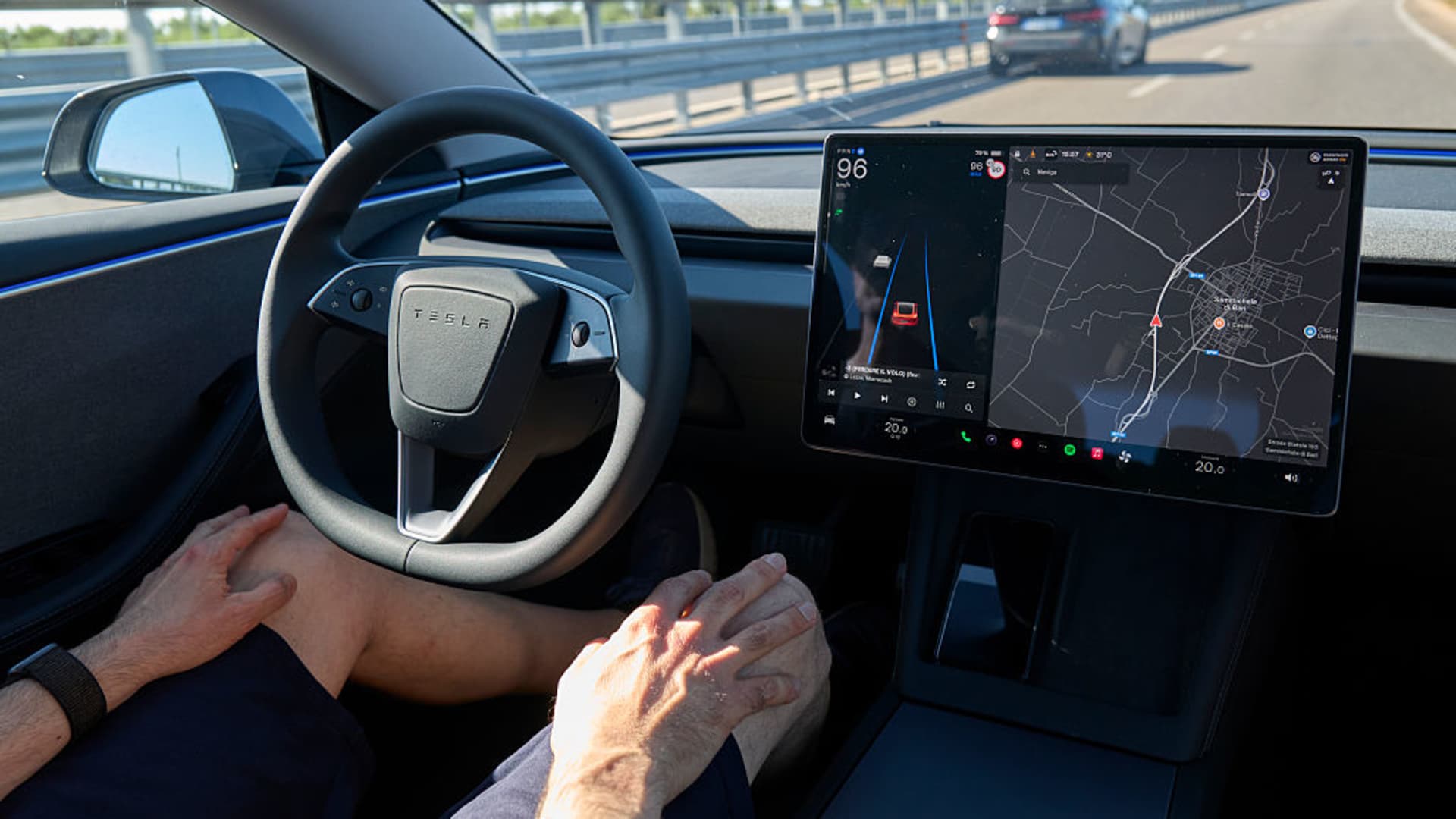
The Rise of Software-Defined Cars
Software-defined cars are rapidly transforming the automotive landscape, offering features and benefits that traditional vehicles simply cannot match. As automakers like Tesla and Rivian lead the charge, both industry experts and consumers are paying close attention to how this new era of vehicles will affect the longevity and reliability of their cars. But a pressing question remains: How long will software-defined cars last?
What Makes a Car ‘Software-Defined’?
Unlike conventional vehicles that rely on mechanical systems for most functions, software-defined cars use advanced software to control and enhance everything from safety features to entertainment. This software-centric approach allows manufacturers to deploy over-the-air updates, rapidly roll out new features, and even fix bugs without requiring a trip to the dealership.
For consumers, the advantages are clear: improved performance, customizable experiences, and a vehicle that can keep getting better over time. Automakers are also excited by the potential for new revenue streams, such as subscription-based features and ongoing upgrades.
The Longevity Question
However, with these benefits come new concerns. Many industry analysts are beginning to question how long software-defined cars will last in the real world. Traditional cars often remain on the road for decades, with some models achieving legendary durability. But the reliance on complex software and electronics raises questions about long-term reliability and support.
As software-defined cars age, will automakers continue to provide updates and security patches? How will aging hardware handle increasingly demanding software? The answers are far from clear, and they are crucial for consumers who expect their vehicles to last for many years.
Challenges Facing Software Longevity
One of the main challenges is the rapid pace of software evolution. Technology that seems cutting-edge today may become obsolete within a few years. This creates a dilemma for automakers, who must decide how long to support legacy models and systems. Without ongoing updates, these vehicles could become vulnerable to security risks or lose access to key features that define the software-defined car experience.
Additionally, as vehicles become more dependent on cloud services and connectivity, disruptions or discontinued support could render certain functions inoperable. Owners may find themselves facing expensive upgrades or replacements much sooner than they would with traditional cars.
Industry Responses and Consumer Concerns
Automakers are aware of these challenges and are working to address them. Companies like Tesla and Rivian have made long-term support a selling point, promising regular updates and improvements. However, skeptics point out that business priorities and technological realities can change, potentially leaving owners with unsupported vehicles.
Some experts suggest that software-defined cars may require a new approach to vehicle ownership. Instead of expecting a single car to last for decades, consumers might need to think of their vehicles more like smartphones—devices that are regularly refreshed and upgraded.
The Road Ahead for Software-Defined Cars
So, how long will software-defined cars last? The answer depends on a range of factors, including manufacturer commitment, hardware durability, and the evolving landscape of automotive technology. While the benefits are undeniable, both automakers and consumers will need to navigate these uncertainties as the industry continues to shift toward a software-centric model.
For now, the best advice is for buyers to stay informed about the software policies and update commitments of their chosen automakers, and to consider how a vehicle’s digital future may impact its practical lifespan.
Conclusion
The future of the automotive industry is being shaped by software-defined cars, offering both unprecedented opportunities and new questions about longevity. As the technology matures, the industry must address the critical issue of how long software-defined cars will last and ensure that drivers can rely on their vehicles for years to come.
This article is inspired by content from Original Source. It has been rephrased for originality. Images are credited to the original source.