

The Strategic Shift in Warehouse Automation
Warehouse automation is rapidly evolving from a back-end efficiency upgrade to a boardroom-level strategic initiative. As labor shortages persist and supply chains grow increasingly complex, organizations now see warehouse automation as essential for long-term competitiveness and resilience, not just productivity. The focus has shifted from hardware to the software layer, a move that is redefining how companies approach automation investments.
Inteq’s Approach: Flexible, Software-Driven Solutions
Inteq, a UK-based warehouse automation specialist, is at the forefront of this transformation. Rather than promoting a single hardware platform, Inteq integrates autonomous mobile robots (AMRs), automated storage and retrieval systems (ASRS), warehouse execution systems (WES), conveyor systems, and other technologies into flexible, hardware-agnostic solutions. This approach ensures that as customers’ operational needs evolve, so can their automation systems.
Jon Roberts, Sales Director at Inteq, highlights that the software layer is now the critical differentiator in warehouse automation. Instead of simply adding software as an afterthought, Inteq designs Warehouse Execution Systems into projects from day one, enabling seamless orchestration of robotics, equipment, and people in a unified control layer.
The Rise of Software-First Automation Strategies
Roberts explains that the real risk for businesses is now inaction. Senior executives recognize that falling behind on automation can have more significant consequences than the investment itself. The conversation has shifted: it’s not about whether to automate, but how rapidly and how extensively to implement warehouse automation strategies.
Integration complexity, particularly at the software level, often outweighs concerns about robotics hardware. Without a robust software orchestration platform like a WES, organizations risk creating a patchwork of isolated systems that hinder flexibility and adaptability. A software-first model enables businesses to integrate new technologies and adjust operations without costly overhauls.
Autonomous Mobile Robots: From Pilot to Core Infrastructure
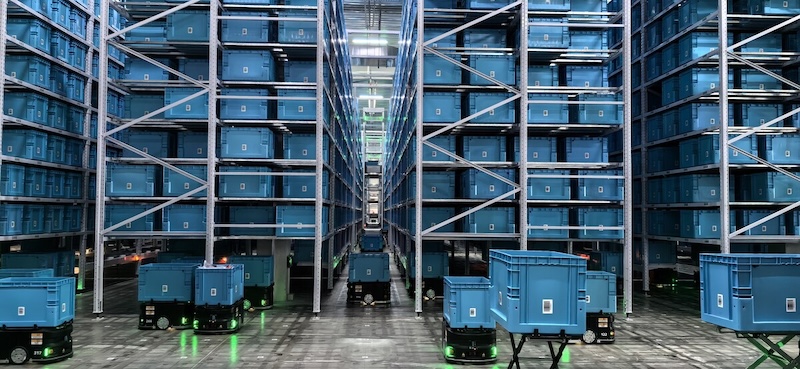
AMRs have transitioned from experimental pilots to central components of warehouse automation. Roberts cites real-world examples where retailers achieved dramatic improvements in efficiency and returns processing by deploying AMRs. The advent of Robotics-as-a-Service (RaaS) has made these technologies accessible to a broader range of operations by reducing upfront capital requirements and providing scalable solutions for managing seasonal or fluctuating demand.
Flexibility is paramount. Fixed automation systems, while once popular, can quickly become costly constraints as business needs shift. Mobile robotics, supported by flexible software platforms, enable organizations to scale and adapt without being locked into rigid systems.
AI and Predictive Analytics in Modern Warehouses
AI and data analytics are adding a new layer of intelligence to warehouse automation. Predictive maintenance is a leading application, where condition monitoring and real-time data help identify potential equipment failures before they cause downtime. AI also optimizes task allocation, routing AMRs, and balancing workloads dynamically as demand changes. These advanced capabilities depend on a strong software orchestration layer that integrates data, hardware, and operational processes.
Integrated Systems and the Power of Software
While robotics hardware often draws attention, it’s the software that truly drives operational success. A well-integrated WES connects all elements—conveyors, humans, robots, and data—providing real-time control and visibility. This hardware-agnostic approach allows organizations to adopt new technologies as they emerge, replacing individual components without major disruptions. Businesses that invest in the software layer first enjoy greater flexibility and lower long-term costs.
Pallet Shuttle ASRS: Maximizing Space and Efficiency
Pallet shuttle ASRS systems are gaining traction as warehouse space becomes more limited and expensive. These systems offer dense, rapid storage and retrieval, integrating seamlessly with AMRs, automated guided vehicles (AGVs), and robotic arms for end-to-end material handling. This connected approach reduces footprint, lowers operating costs, and provides scalable solutions for operations facing simultaneous pressures on throughput, labor, and space.
Cybersecurity and Operational Resilience
As warehouses become more interconnected through automation software, cybersecurity and resilience are rising priorities. Organizations are now embedding security considerations into automation design from the outset, ensuring systems are regularly updated and integrated without disruption. A unified orchestration platform simplifies risk management and streamlines upgrades as standards evolve.
The Future: Software as the Foundation for Growth
Looking ahead, the warehouses that will thrive are those embracing warehouse automation as a platform for growth. Starting with robust software integration, building hardware-agnostic foundations, and aligning executive and operational teams are key. These organizations will be able to scale, adapt to new technologies, and make data-driven decisions as the logistics landscape continues to evolve.
This article is inspired by content from Original Source. It has been rephrased for originality. Images are credited to the original source.