

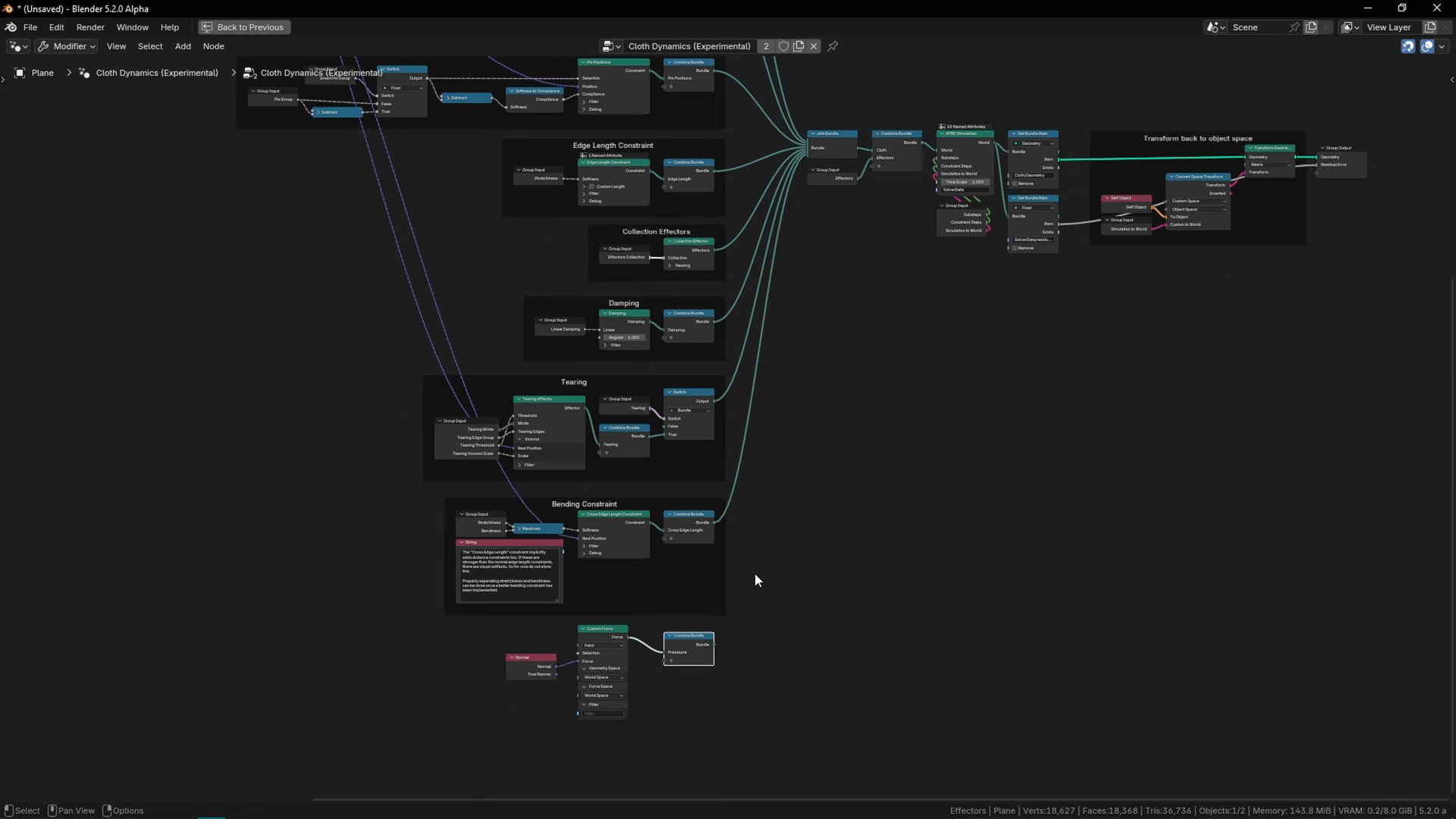
Blender 5.2: A Leap Forward for 3D Simulations
Blender 5.2 is making headlines in the world of 3D modeling and animation, especially for its significantly improved simulation capabilities. As an open-source powerhouse, Blender has long been the go-to tool for countless artists and developers who seek high-end functionality without the price tag of proprietary software. Yet, when it came to advanced simulations, many users found themselves turning to paid alternatives like Houdini. With the arrival of Blender 5.2, this may be about to change, marking a pivotal moment for open-source 3D software.
Simulation Improvements: Closing the Gap with Paid Software
Historically, 3D simulations in Blender have lagged behind commercial giants. Animators often relied on external tools for realistic physics, such as fluid, cloth, or hair simulations. Manual animation of elements like flowing water or flapping fabric was not only time-consuming but also challenging to achieve natural results. Blender 5.2 addresses these issues head-on with a series of major enhancements under the hood.
One of the most notable improvements is the optimization of simulation algorithms. Early demonstrations, such as the classic “drop cloth on a monkey head” scenario, now run nearly twice as fast as before. This leap in performance means that artists can achieve more complex and realistic results in less time, reducing the need to switch between different programs for simulation tasks.
Node-Based Workflow: Streamlining the Creative Process
Another game-changing feature in Blender 5.2 is the full integration of simulations into the geometry nodes system. This node-based workflow not only modernizes Blender’s approach, bringing it closer to industry standards, but also makes advanced effects more accessible. By adding simulation nodes, users can easily create effects such as cloth tearing or custom air pressure interactions with far less complexity than before.
For example, developers can now inflate or pop a fabric sphere using custom nodes, or apply cloth simulation techniques to animate foliage for lifelike environmental scenes. This flexibility allows for creative experimentation and more efficient pipelines, which is particularly attractive to studios and freelance artists alike.
Broader Improvements Across Blender 5.2
While simulation is a headline feature, Blender 5.2 delivers a broad array of enhancements across the software. Users will find improvements in rendering, animation tools, and overall performance. The development team’s focus on refining the user experience means even newcomers will find the initial learning curve more manageable, while seasoned professionals benefit from greater efficiency and creative control.
For those interested in exploring all the new features, the official release notes provide a comprehensive overview. Even users who don’t specialize in animation may find Blender 5.2 appealing for tasks such as adding texture to 3D prints, creating detailed miniatures, or experimenting with parametric CAD through add-ons. This versatility is one of the reasons Blender remains a favorite within the open-source community.
Open Source Advantage: Challenging Proprietary Titans
The enhanced 3D simulations in Blender may not unseat established tools like Houdini just yet, but the gap is closing. For many animators and studios, the improvements in Blender 5.2 could eliminate the need for expensive licenses, opening doors for greater creative freedom and collaboration. The open-source nature of Blender means that anyone can contribute to its ongoing development, ensuring that the software continues to evolve in response to user needs.
Additionally, Blender’s ecosystem is bolstered by a vibrant community and a wealth of add-ons. Whether you’re seeking new rendering engines, advanced modeling tools, or integration with CAD systems, Blender’s flexible architecture allows for deep customization. As alternatives like FreeCAD also improve, the open-source movement is clearly on the rise within the professional 3D space.
Conclusion: Blender 5.2 Sets a New Standard
With the release of Blender 5.2, the landscape of 3D simulations in Blender has been fundamentally improved. Faster, more realistic simulations, a modern node-based workflow, and a host of other enhancements make this update a must-try for digital artists, animators, and developers. As Blender continues to close the gap with proprietary software, its open-source foundation empowers users around the world to create without barriers. Whether you’re a seasoned professional or just starting out, Blender 5.2 offers tools that can elevate your creative projects to new heights.
This article is inspired by content from Original Source. It has been rephrased for originality. Images are credited to the original source.