

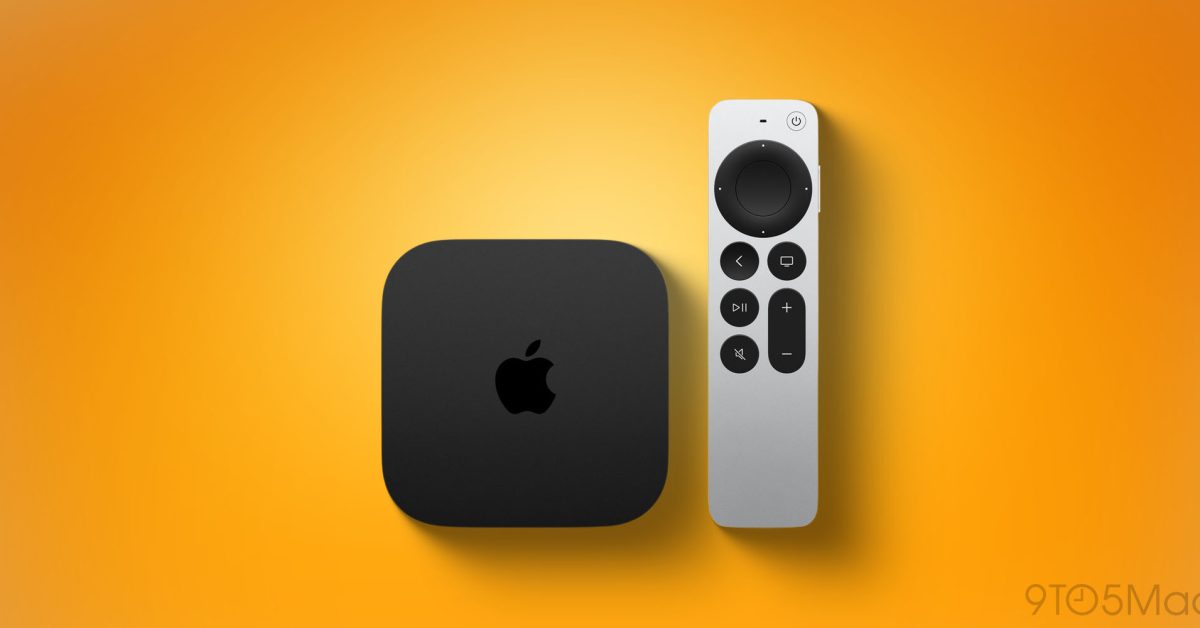
iOS 27 Introduces Streamlined Apple TV Updates
With the arrival of iOS 27, Apple has introduced a host of quality-of-life improvements, and one of the most significant changes is how easy it now is to update your Apple TV software. For users who have often found the update process cumbersome, this new feature is a welcome enhancement. The focus_keyword for this article, Apple TV software update, highlights exactly what users can expect from this change.
Updating Apple TV Software from the Home App
Previously, keeping your Apple TV updated required using the device’s own interface or relying on automatic updates that sometimes failed to trigger. With iOS 27, Apple has made it possible for users to initiate an Apple TV software update directly from the Home app on an iPhone, iPad, or Mac. This process is remarkably similar to handling updates for the HomePod, making it much more convenient for households with multiple Apple devices.
To perform an Apple TV software update using iOS 27, simply open the Home app, select your Apple TV from the list of accessories, and follow the instructions to install the latest tvOS version. This remote update capability means you no longer need to be physically present at your Apple TV to ensure it’s running the latest software, saving both time and effort.
Benefits of the New Update Process
The new update method offers several advantages. Most notably, it enhances accessibility, allowing users to manage their Apple TV software update process from anywhere within their home network. For families or individuals with multiple Apple TVs or those who manage devices for others, this centralized approach streamlines device management significantly.
Automatic updates are still available, but as many users have discovered, they are not always reliable. The ability to manually trigger an Apple TV software update remotely ensures that your device stays secure and benefits from the latest features without delay. This is especially useful for users who prioritize security patches or want to try out new functionalities as soon as they are released.
Availability and Rollout of iOS 27
Currently, iOS 27 is in developer beta, with the second beta version just released for testing. Apple has announced that a public beta will be available in July, with a general release planned for later in the fall. This phased rollout gives Apple the opportunity to gather feedback and iron out any issues before making the update widely available.
As more users gain access to iOS 27, the convenience of initiating an Apple TV software update from the Home app will become a standard part of the Apple ecosystem. This change, while subtle, underscores Apple’s ongoing commitment to seamless integration across its devices and platforms.
What This Means for Apple TV Users
For the millions of users who rely on Apple TV for streaming and smart home integration, the easier update process reduces friction and ensures their devices are always up-to-date. Whether you use Apple TV for entertainment, smart home control, or both, this enhancement in iOS 27 is designed to keep things running smoothly with minimal intervention.
Apple’s focus on user experience is evident in this update, and the company continues to refine its ecosystem to make device management as intuitive as possible. The Apple TV software update feature in iOS 27 is just one example of how software improvements can have a meaningful impact on daily use.
Looking Ahead
As Apple continues to evolve its operating systems, features like the improved Apple TV software update process are likely to become even more integrated and automated. iOS 27 sets a new standard for convenience and user control, and it’s expected that future updates will build on this foundation.
Stay tuned for the public release of iOS 27 and take advantage of this streamlined way to keep your Apple TV performing at its best. The focus on user-friendly updates promises to make the Apple ecosystem more cohesive and responsive than ever.
This article is inspired by content from Original Source. It has been rephrased for originality. Images are credited to the original source.